One Health surveillance and Vector monitoring for cross-border pathogens

OH SURVector
Project description
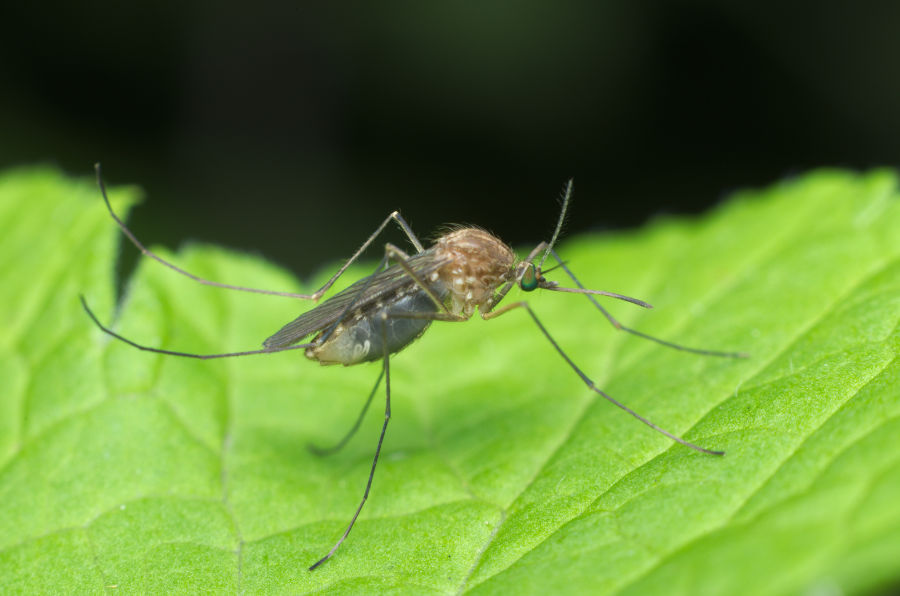
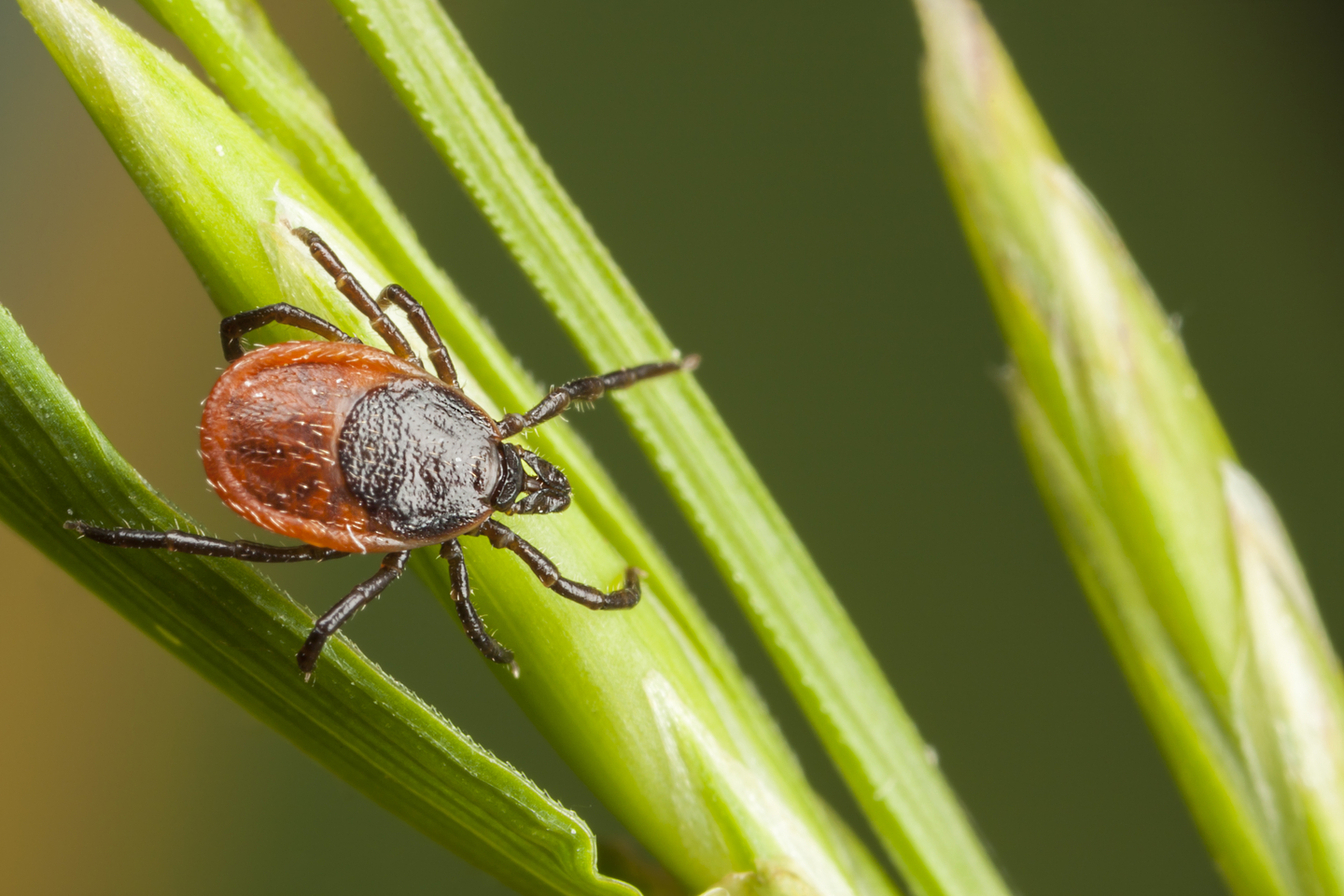
Zoonoses are infectious diseases that can be transmitted between animals and humans. The majority of all human infectious diseases worldwide are caused by zoonotic pathogens. Ticks and mosquitoes can transmit infectious diseases as vectors, thus leading to vector-borne diseases (VBDs). VBDs account for more than 17% of all infectious diseases in humans, resulting in over 700,000 deaths annually. VBDs are largely preventable through vector control. Strengthened monitoring and surveillance systems are key success factors for efficient and targeted vector control.
The OH SURVector project aims to establish a nationwide mosquito and tick monitoring system to create a One Health surveillance system for emerging pathogens. This project focuses on mosquito-borne West Nile virus, tick-borne encephalitis virus, Lyme disease bacteria, and Crimean-Congo hemorrhagic fever virus. Project activities include nationwide collection and sampling of vectors, species identification, pathogen screening, capacity expansion in laboratories, and establishment of national vector databases for the joint utilization of vector data. The OH SURVector project will address knowledge gaps associated with missing data on both vector and pathogen presence, as well as geographical and temporal patterns of vector abundance and pathogen spread.
If you have any questions about the project, please contact us: ohsurvector@ages.at
Consortium partners







Project profile
| Project title | One Health surveillance and Vector monitoring for cross-border pathogens |
| Project acronym | OH SURVector |
| Project coordination | Annette Nigsch (AGES) |
| Consortium | Eight institutions from five countries: Austria (AGES), Czech Republic (SZU), Greece (EODY, AUTH, ELGO), Hungary (NCPHP, NFSCO), and Slovakia (UVMP) |
| Funding | EU4Health Work Program CP-g-22-04.01 (HaDEA) |
| Project duration | January 2024 – December 2026 (36 months) |

Project objectives
Together the consortium has defined the following objectives for surveillance activities over the next three years:
- the early warning of new tick and mosquito species that can transmit zoonotic pathogens,
- the early detection of newly introduced pathogens by ticks and mosquitoes,
- the early detection of changes in the geographical distribution of vectors and pathogens with a focus on Borrelia spp. and West Nile virus, and
- the strengthening of cross-sector cooperation in the sense of an integrated One Health approach.
News and activities
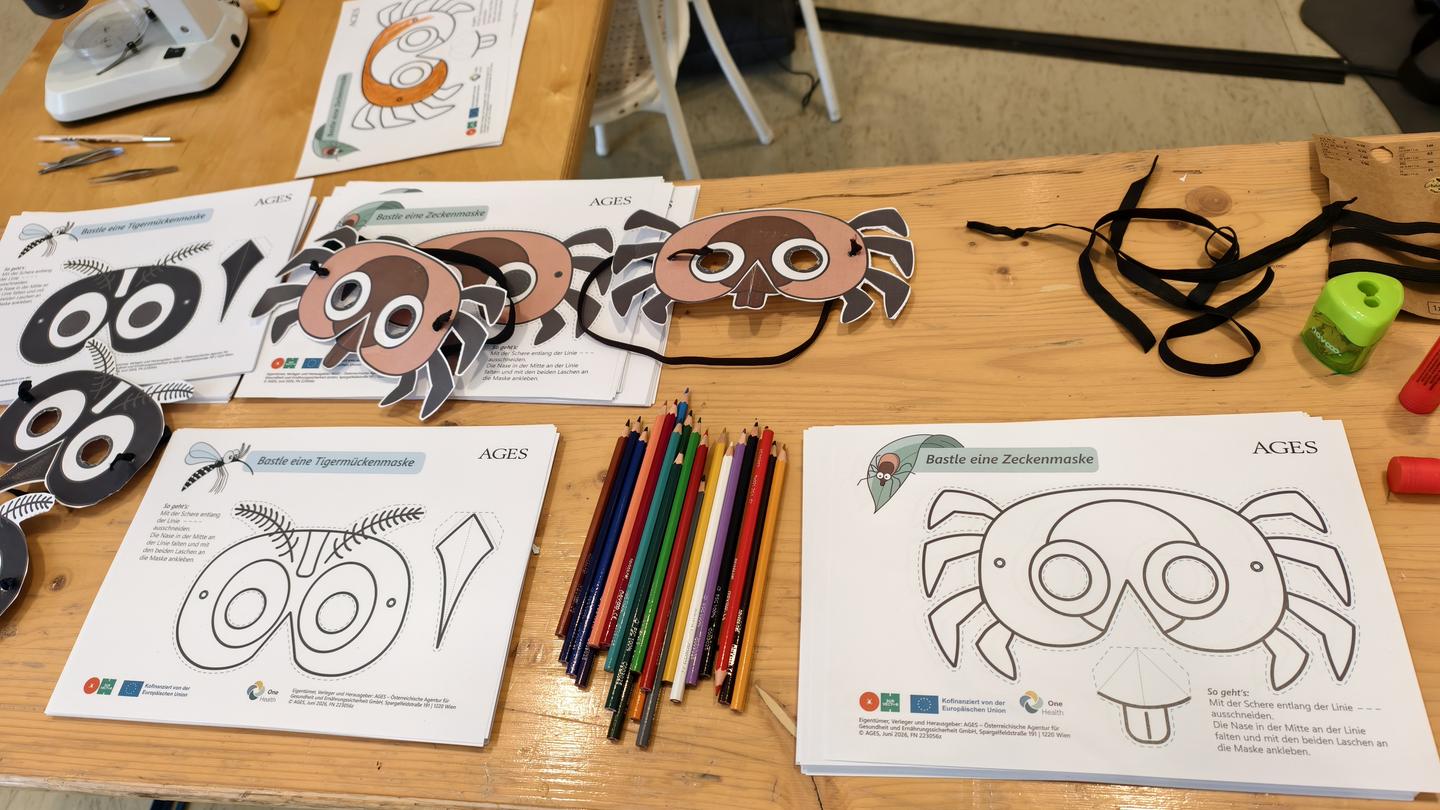
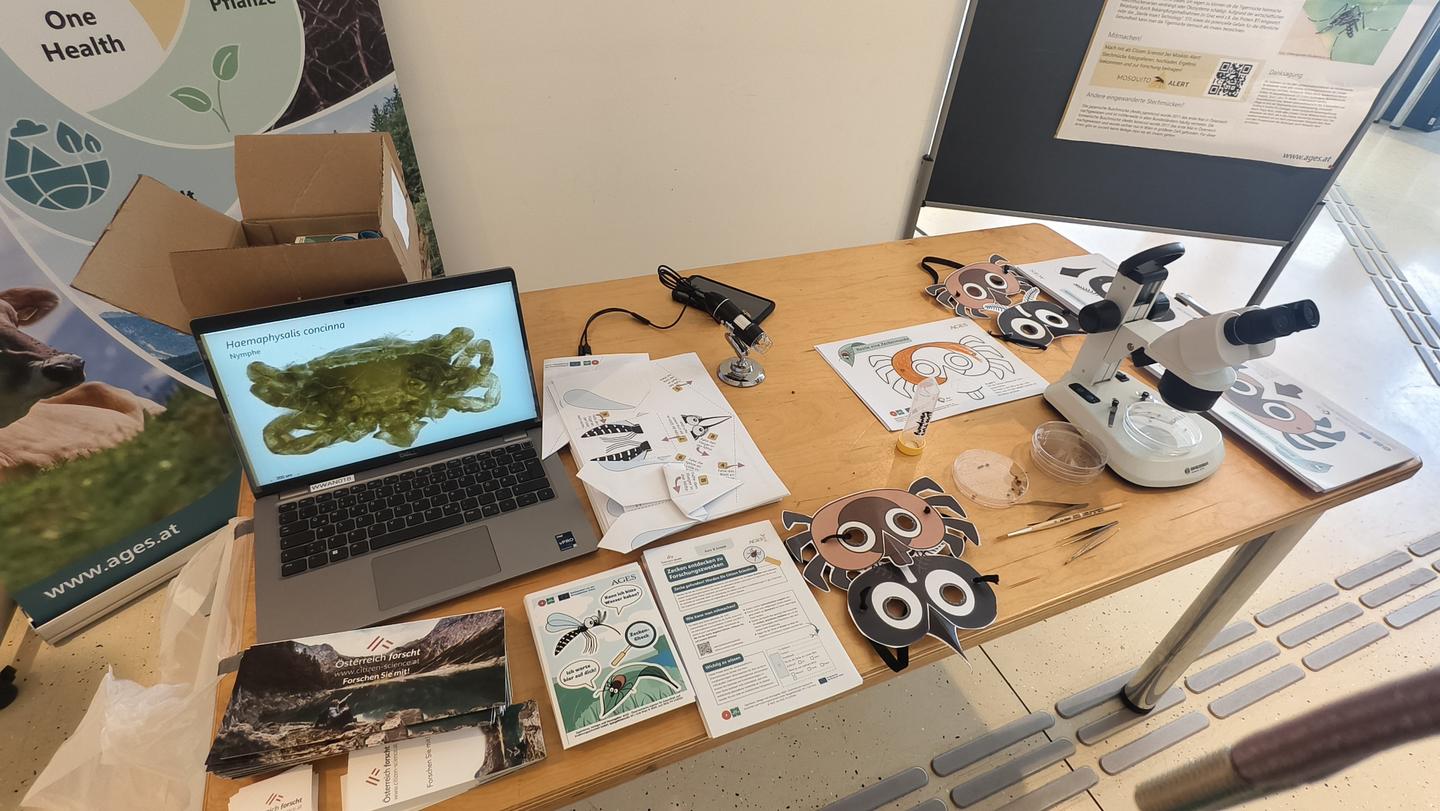
On June 29, 2026, Mistelbach, Lower Austria, was transformed into a place brimming with curiosity, the joy of discovery, and science. At the Heurika! Science festival everything revolved around getting involved, trying things out, and marveling. With over 45 interactive stations, the festival offered a wide range of topics—from health and nutrition to climate and the environment, and on to biotechnology and digital innovations. AGES was also represented at Heurika! by colleagues from the EU project OH SURVector and actively contributed to making science understandable and tangible. Anna Margarita Schötta, Barbara Seebacher, and Severin Falk set up a table full of creative ways to share knowledge with children. Under a microscope, mosquitoes and ticks could be viewed in detail and our coloring templates invited young visitors to engage with mosquitoes and ticks in a playful way. Through coloring, children were able to develop their first exposure to scientific content—in an accessible and fun way. The event was a valuable opportunity to showcase our work and, in particular, to inspire young audiences to take an interest in science.
One Health from an early age!
An Austrian, nationwide molecular and serological study demonstrates that Alongshan virus (ALSV), a tick-borne pathogen of the Jingmenvirus group, is widely distributed in Austria. Screening of nearly 3,000 ticks collected in 2024 revealed a median detection rate of 1.2%, with positive samples identified across multiple regions.
Analysis of archived tick samples indicates that ALSV has been present in Austria since at least 2005, suggesting continuous circulation for over two decades. Phylogenetic analyses show that Austrian virus sequences cluster within a distinct European lineage and exhibit regional persistence.
In addition to tick surveillance, more than 1,300 human serum samples were tested, providing the first serological evidence of past ALSV infection in individuals in Austria, although no acute infections were detected.
Overall, the findings highlight that ALSV is an established but previously underrecognized tick-borne virus in Central Europe. They underscore the importance of ongoing One Health surveillance and the inclusion of ALSV in the differential diagnosis of patients with a history of tick exposure.
Cite as:
Florian D, Jetzinger P, Schötta A et al. (2026). Widespread circulation of Alongshan virus in Austria and serological evidence for infection in humans: a nationwide molecular and serological observational study. The Lancet Microbe, 2026; 0
The OH SURVector annual consortium meeting held in Athens on 12–13 May 2026 brought together partners from all participating countries to review project progress, align activities across work packages, and define the next steps toward the final phase of the project.
The meeting focused on presentations from each work package, highlighting current results, challenges, and opportunities for harmonisation, particularly in relation to surveillance approaches and data comparability across countries. A strong emphasis was placed on communication and dissemination activities, where the need for coordinated outputs such as infographics, posters, and common materials was discussed as a key factor for the project’s long-term impact. In addition, scientific discussions addressed the further development of cross-country data analyses, including exploring relationships between environmental factors such as weather conditions and vector dynamics or pathogen positivity.
On the second day, representatives from EFSA and HaDEA participated, contributing valuable input and strengthening the connection between the consortium and European stakeholders. Organisational topics such as budget monitoring, evaluation processes, and planning of governance meetings were also covered to ensure smooth project coordination and sustainability of the vector surveillance established within OH SURVector.
In addition to the scientific programme, the meeting included a cultural activity with a group visit to the Acropolis, which provided an opportunity for informal exchange and networking among partners. Overall, the meeting resulted in a shared understanding of the project status, reinforced collaboration among partners, and defined concrete next steps, including preparations for the final symposium in Vienna in November 2026 and the continuation of key deliverables across work packages.
Finally, sincere thanks go to the organisers for the excellent preparation and smooth execution of this highly successful meeting.




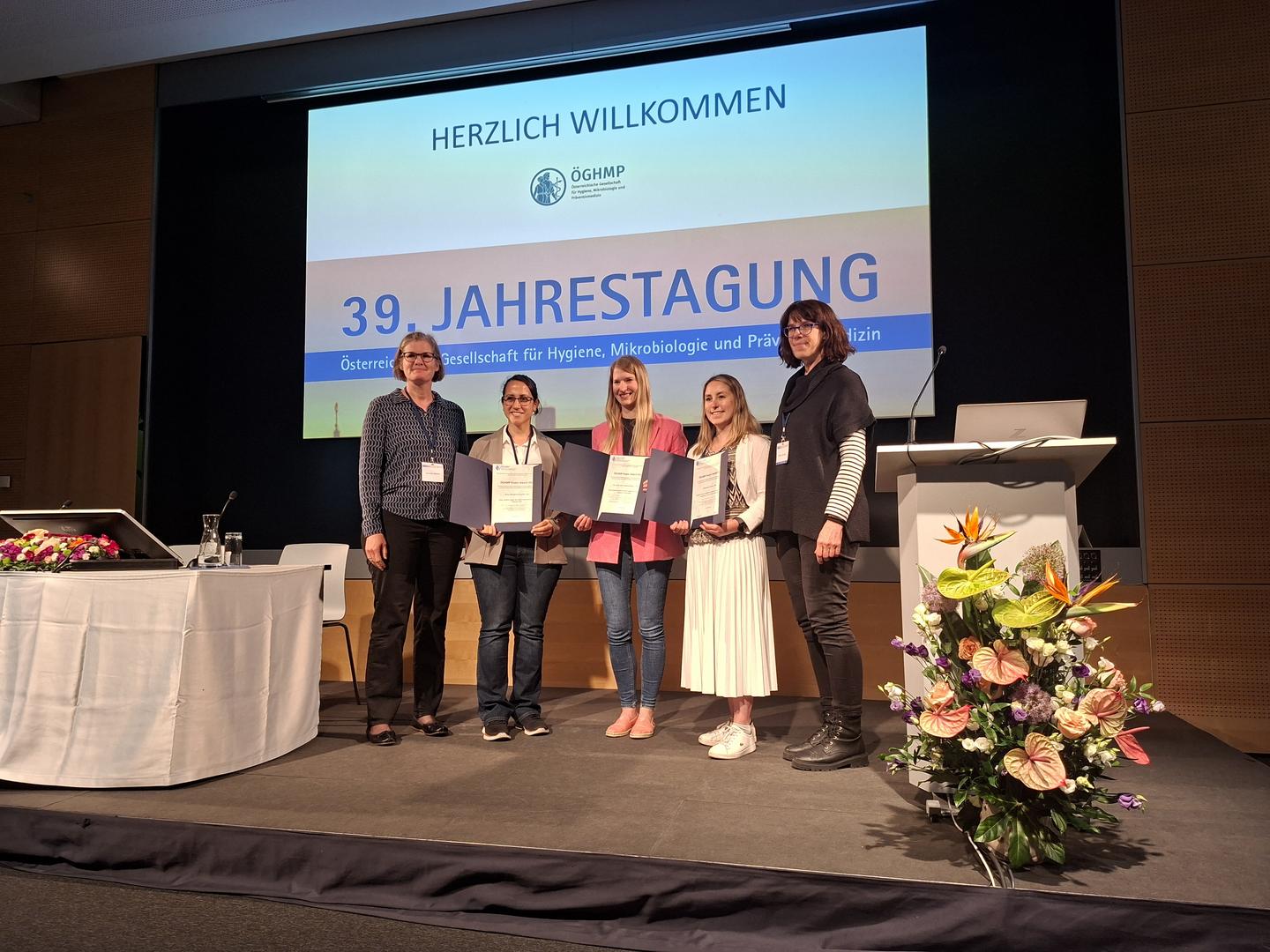
At the 39th Annual Meeting of the Austrian Society for Hygiene, Microbiology, and Preventive Medicine (ÖGHMP), Anna-Margarita Schötta was awarded the “2026 Poster Award.” The award-winning poster, titled “Ticks and Tick-Borne Pathogens in Austria 2025,” presents the results of the national tick monitoring conducted as part of the OH SURVector project.
The poster provides an overview of the tick species identified in Austria as well as the pathogens most frequently found in the ticks examined. In 2025, Borrelia-positive ticks dominated the samples examined. Furthermore, the analysis shows that the risk of a potential infection depends on various factors, including the tick species, the developmental stage, and the geographic region.
In addition to Borrelia, other pathogens for which ticks can serve as vectors are also presented. The poster thus makes an important contribution to raising awareness about tick-borne diseases.
Of particular note is the active participation of the public in the project: Sample collection is carried out with the support of citizen scientists from all over Austria, who can send in the ticks they find for analysis. This not only expands the data set but also strengthens knowledge about ticks and their correct identification.
The poster also highlights that tick species are frequently misidentified, often due to misleading information online and insufficient knowledge of local species. Therefore, it explains the characteristic features of certain species, such as yellow-striped legs, eyes, long mouthparts, or very dark body coloration.
Information on how to submit ticks, as well as contact details, can be accessed directly from the poster via a QR code.
A comprehensive One Health analysis of the 2024 West Nile virus season shows that Hungary plays a key role in the virus’s diversity and spread across Europe. By combining data from human, animal and mosquito surveillance with genomic analyses, the study demonstrates that the virus spreads from Hungary mainly towards Central and South‑Eastern Europe. These findings highlight the importance of integrated, cross‑border surveillance systems to improve early detection and control of West Nile virus outbreaks.
Link to the publication: https://www.eurosurveillance.org/content/10.2807/1560-17.ES.2026.31.16.2500785
Cite as: Nagy Anna, Erdélyi Károly, Molnár Zsuzsanna, Lőrincz Renáta Bagóné, Nagy Orsolya, Koroknai Anita, Csonka Nikolett, Kerényi Kata, Forgách Petra, Horváth Enikő, Soltész Zoltán, Nagy Gergely, Takács Mária, Barcsay Erzsébet, Szomor Katalin, Tóth Gábor Endre, Cadar Dániel. Hungary as a source of West Nile virus diversity and spread in Europe: insights from the 2024 transmission season. Euro Surveill. 2026;31(16):pii=2500785. https://doi.org/10.2807/1560-7917.ES.2026.31.16.2500785
This overview presents a selection of scientific publications produced in Slovakia between 2024 and 2026 within the OH SURVector project. The studies focus mainly on tick‑borne and vector‑borne pathogens, including Anaplasma, Borrelia, flaviviruses, tick‑borne encephalitis virus, and various Diptera species collected from traps. Researchers monitored pathogens in ticks, wildlife, domestic animals, and urban environments. Several studies also investigated public awareness of tick‑borne diseases and developed improved diagnostic approaches. Overall, the publications demonstrate active surveillance of vectors and pathogens in Slovakia and contribute valuable data for One Health approaches and cross‑border disease monitoring.
The following list is a free translation using deepl.com into English. The original contributions, which the link takes you to, are in Slovak.
Year 2026
Hudáková, K., Jurovčíková, A., Petroušková, P., Korytár, Ľ., Ondrejková, A., Drážovská, M., Gogoľová, L., Franková, K., Lipinský, J., Kostičák, M., Kovalenko, A., Prokeš, M.: Prevalence of Anaplasma spp. in ticks and wildlife in the Trnava region, Slovak Republic. Zoological Days České Budějovice 2026, Book of Abstracts, February 12–13, 2026. Institute of Vertebrate Biology of the Czech Academy of Sciences, Brno, pp. 86–87. ISBN 978‑80‑87189‑5‑4.
https://www.ivb.cz/vyzkum/zoologicke-dny/archiv-sborniky/
Year 2025
Kostičák, M., Drážovská, M., Lipinský, J., Klein, R., Pelegrinová, A., Petroušková, P., Ondrejková, A., Korytár, Ľ., Hudáková, K., Prokeš, M.: Serological evidence of Anaplasma spp. antibodies in domestic ruminants in Slovakia. Annals of Agricultural and Environmental Medicine 32(4): 476–481.
https://doi.org/10.26444/aaem/213309
Grundmann, B., Loziaková Peňazziová, K., Csank, T., Mlynárová, L., Pastorek, P., Oboňa, J.: Scuttle flies (Diptera: Phoridae) collected by mosquito trap from Košice Zoo, Central Europe. ZooKeys 1244: 41–60.
https://doi.org/10.3897/zookeys.1244.146861
Oboňa, J., Loziaková Peňazziová, K., Csank, T., Pačanská, Z., Pivka, S.: Hidden guests of CO₂ traps: Tracking Clogmia albipunctata, Drosophila suzukii, and other Diptera across Slovakia. Dipteron 41(08): 97–107.
https://zenodo.org/records/17808535
Oboňa, J., Grundmann, B., Haenni, J.-P., Csank, T., Pastorek, P., Loziaková Peňazziová, K.: Overview of selected non-target Dipteran species collected from mosquito traps at Košice Zoo. Acta Universitatis Prešoviensis, Biodiversity & Environment 17(1): 28–32.
https://biodiv-enviro.fhpv.unipo.sk/getScriptDownload/100
Grootaert, P., Loziaková Peňazziová, K., Csank, T., Pačanská, Z., Pivka, S., Oboňa, J.: Bycatch with benefits: CO₂ traps reveal new Hybotidae for Slovakia. Biodiversity & Environment 17(2): 15–18.
https://www.unipo.sk/sites/default/files/content/74293/biodiversity_and_environment_2025-vol-17-no-2.pdf
Kurina, O., Loziaková Peňazziová, K., Csank, T., Pastorek, P., Oboňa, J.: Fungus gnat diversity in a semi‑urban habitat in Slovakia: insights from an unconventional trapping method. Historia naturalis bulgarica 47(11): 361–371.
https://doi.org/10.48027/hnb.47.113
Marinicová, A., Kostičák, M., Prokeš, M., Drážovská, M.: Anaplasmosis in selected ruminant herds. Student Scientific Conference ŠVOČ 2025, pp. 29–30. ISBN 978-80-8077-851-4.
https://www.uvlf.sk/uploads/source/pics-oznamy/2025/SVOC/svoc-zborníkabstraktov.pdf
Cot, Ch., Pačanská, Z., Loziaková Peňazziová, K., Csank, T.: Differential serological diagnostics of tick‑borne orbivirus infection in horses. Student Scientific Conference ŠVOČ 2025, p. 12. ISBN 978–80–8077–851–4.
https://www.uvlf.sk/uploads/source/pics-oznamy/2025/SVOC/svoc-zborníkabstraktov.pdf
Franková, K., Ondrejková, A., Mojžišová Vaščinec, J., …: Current situation of tick‑borne encephalitis in Slovakia. Interactive Conference of Young Scientists 2025. ISBN 978-80-99936-86-8, online.
https://www.preveda.sk/abstrakt/aktualna-situacia-vyskytu-kliestovej-encefalitidy-naslovensku
Gogoľová, L., Korytár, Ľ., Ondrejková, A., …: Prevalence of Borrelia spp. in urban areas of the Košice and Prešov regions. Interactive Conference of Young Scientists 2025. ISBN 978-80-99936-86-8, online.
https://www.preveda.sk/abstrakt/prevalencia-borrelia-spp-v-mestskych-lokalitachkosickeho-presovskeho-kraja
Hudáková, K., Prokeš, M., Ondrejková, A., …: Anaplasmosis as a zoonosis. Interactive Conference of Young Scientists 2025. ISBN 978-80-99936-86-8, online.
https://www.preveda.sk/abstrakt/anaplazmoza-ako-zoonoza
Hudáková, K., Viňanská, N., Ondrejková, A., …: Awareness of tick‑borne diseases.
Interactive Conference of Young Scientists 2025. ISBN 978-80-99936-86-8, online.
https://www.preveda.sk/abstrakt/povedomie-o-kliestami-prenasanych-chorobach
Kostičák, M., Ondrejková, A., Drážovská, M., …: Serological survey of anaplasmosis in sheep in Slovakia. Interactive Conference of Young Scientists 2025. ISBN 978-80-99936-86-8, online.
https://www.preveda.sk/abstrakt/serologicky-prieskum-anaplazmozy-u-oviec-naslovensku
Ondrejková, A., Korytár, Ľ., Drážovská, M., …: Surveillance of tick‑borne pathogens at selected localities in Slovakia. Abstract Book, ESVV 2025, 13th International Congress For Veterinary, Virology, 2-5 September 2025, Portorož, Slovenia, p. 212.
https://esvv2025.org/abstract-book/
Hudáková, K., Kostičák, M., Lipinský, J., …: Molecular detection of Anaplasma spp. in wild animals in Eastern Slovakia. DOCIDOH, 2nd Debrecen Online Conference on Infectious Diseases in a One Health context (University of Debrecen, Book of Abstracts, p. 39. online, doi: 10.5281/zenodo.15604614
https://konferencia.unideb.hu/sites/default/files/upload_documents/2nd_debrecen_online_conference_on_infectious_diseases_oh_abstractbooklet.pdf
Year 2024
Korytár, Ľ., Ondrejková, A., Csank, T., …: Screening of viruses in ticks collected from wild birds in Slovakia. 16th EPIZONE Annual Meeting - Viruses, vectors and wildlife, 25-27 September2024, Uppsala, Sweden, p. 200.
https://www.epizone-eu.net/en/home/show/download-the-abstract-book-of-the-16th-am.htm
Korytár, Ľ., Ondrejková, A., Csank, T., …: First evidence of flavivirus circulation in Greater Mouse‑eared bats (Myotis myotis) in Slovakia. ESOVE, the XXIIIrd European Society for Vector Ecology Conference, 14-17th Oct. 2024, Montpellier, France, p. 197. https://www.alphavisa.com/e-sove/2024/documents/Affiche_esove-2024.pdf
Ondrejková, A., Korytár, Ľ., Prokeš, M., …: Tick‑borne encephalitis in the Slovak Republic. ESOVE, the XXIIIrd European Society for Vector Ecology Conference, 14-17th Oct.2024, Montpellier, France, p. 270.
https://www.alphavisa.com/e-sove/2024/documents/Affiche_esove-2024.pdf
Švarba, M. F., Kostičák, M., Klein, R., …: Serological survey of anaplasmosis in domestic ruminants in Slovakia. Interactive Conference of Young Scientists 2024. ISBN 978-80-974608-1-5, online.
https://www.preveda.sk/abstrakt/serologicky-prieskum-anaplazmozy-domacich-prezuvavcovna-slovensku
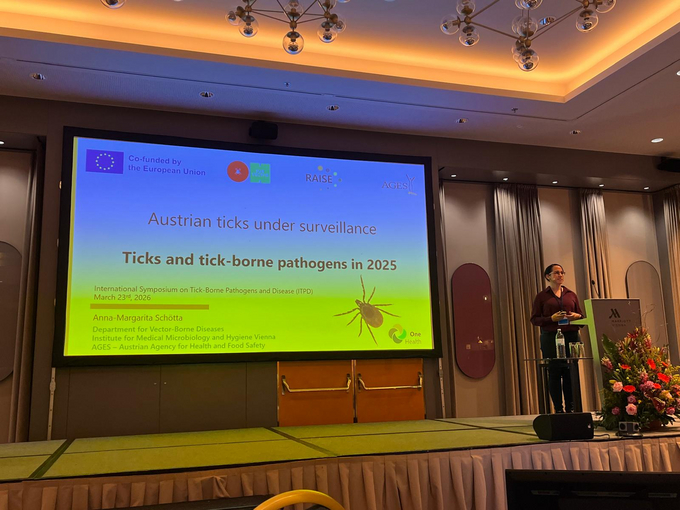
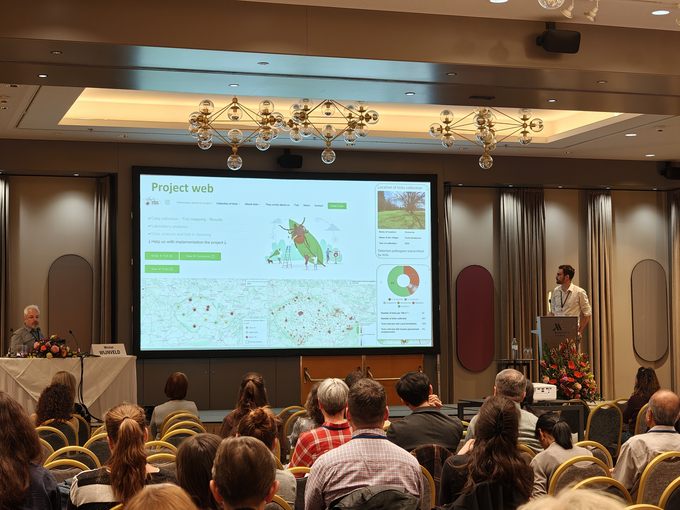
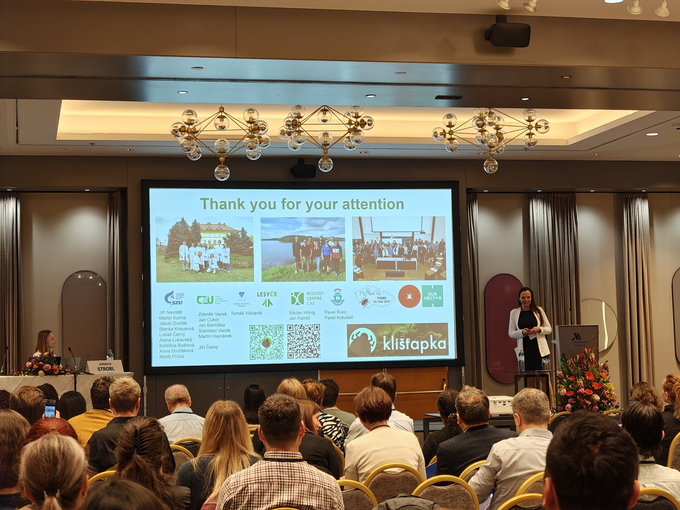
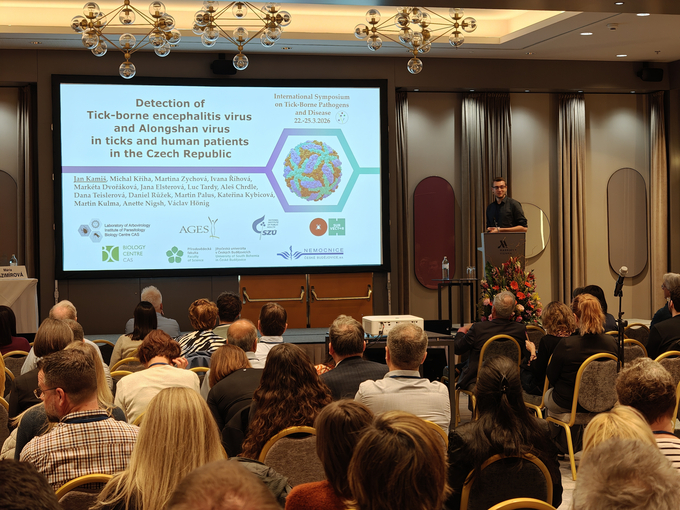
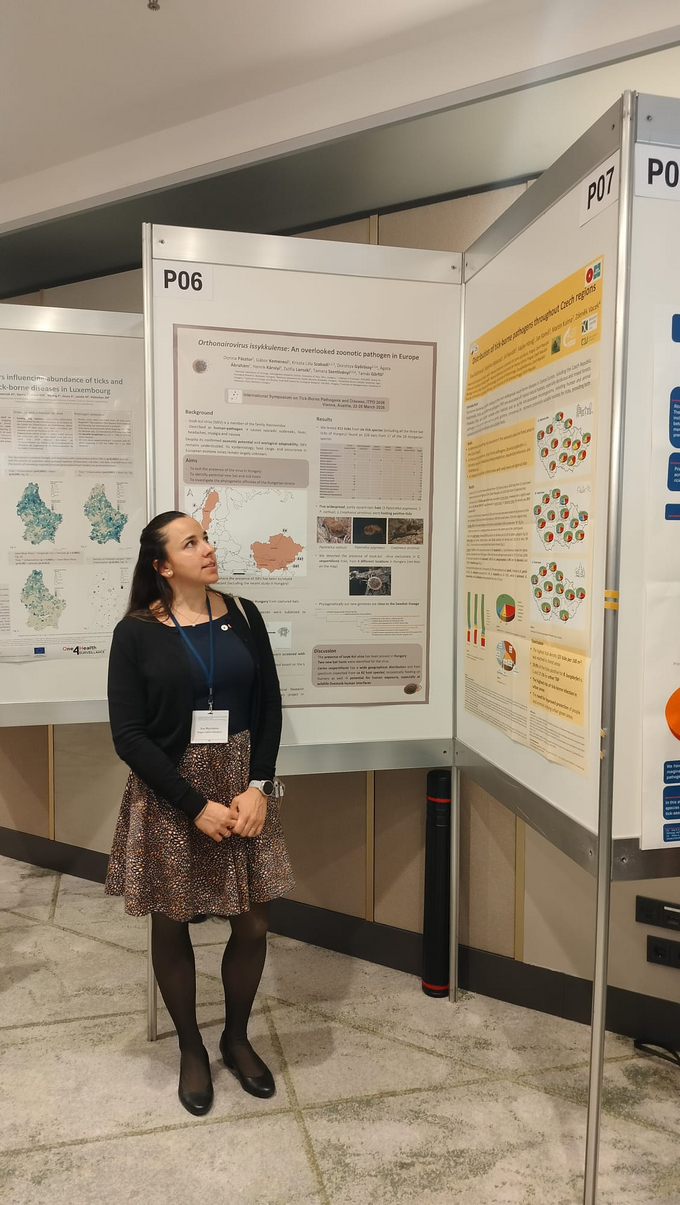
The OH SURVector project was represented at the International Symposium on Ticks and Tick‑Borne Diseases (ITPD 2026), from March 22-25 in Vienna, Austria. This event is a biennial international conference dedicated to research on tick ecology, surveillance, tick–host–pathogen interactions, diagnostics, and emerging tick‑borne diseases. The ITPD conference series was initiated in 2017 by the late Prof. Dr. Gerold Stanek and has since become a key platform for interdisciplinary exchange within the tick and tick‑borne disease research community.
Colleagues from the Czech team included Eva Richtrova, Václav Hönig, Jan Kamiš, and Katerina Kybicova, and AGES, including Anna Margarita Schötta, Mateusz Markowicz, and Georg Duscher met to present their work and exchange results around the OH SURVector project, and fostering further cross‑border exchange within the One Health framework.
Their contributions included:
- Ticks and tick‑borne pathogens in urban areas in the Czech Republic – Václav Hönig (oral presentation)
- One Health Tick Surveillance in Czechia: Tick‑borne infections and public communication – Kateřina Kybicová (oral presentation)
- Detection of tick‑borne encephalitis virus and Alongshan virus in ticks and human patients in the Czech Republic – Jan Kamiš (oral presentation)
- Distribution of tick‑borne pathogens throughout Czech regions – Eva Richtrova (poster presentation)
- Austrian ticks under surveillance: ticks and tick‑borne pathogens in 2025 – Anna Schötta (oral presentation)
Congratulations to all the participants on their valuable contributions from the OH SURVector Consortium!
Our OH SURVector-colleagues from Hungary published 2025 a paper describing the first documented fatal autochthonous Usutu virus infection in Hungary, confirmed by comprehensive clinical, virological, and phylogenetic analyses. The case demonstrates the neuroinvasive capacity of European USUV lineages and underscores the heightened risk for severely immunocompromised patients, highlighting the need for strengthened surveillance and diagnostics.
Link to the publication:
First documented case of a fatal autochthonous Usutu virus infection in an immunocompromised patient in Hungary: a clinical-virological report and implications from the literature | Virology Journal | Springer Nature Link
Cita as:
Szabó, B. G., Nagy, A., Nagy, O., Koroknai, A., Csonka, N., Korózs, D., ... & Sinkó, J. (2025). First documented case of a fatal autochthonous Usutu virus infection in an immunocompromised patient in Hungary: a clinical-virological report and implications from the literature. Virology Journal, 22(1), 261.
Our OH SURVector-colleagues from Greece contributed to a landmark study reporting two autochthonous cases of Crimean-Congo haemorrhagic fever (CCHF) in Thessaly, Greece—one fatal and one nosocomial infection in a healthcare worker. This rare event, only the second in Greece’s history, triggered a rapid One Health response involving human and animal health sectors, vector control, and public awareness measures. The publication underscores the importance of cross-sector collaboration and enhanced surveillance in non-endemic regions.
Link to the publication: Eurosurveillance | Two autochthonous cases of Crimean-Congo haemorrhagic fever and the One Health response, Thessaly, Greece, 2025
Cite as:
Pervanidou, D., Georgiadou, S., Stavropoulou, E., Stefos, A., Tsioka, K., Kefaloudi, C. N., ... & Hadjichristodoulou, C. (2025). Two autochthonous cases of Crimean-Congo haemorrhagic fever and the One Health response, Thessaly, Greece, 2025. Euro surveillance: bulletin Europeen sur les maladies transmissibles= European communicable disease bulletin, 30(50).
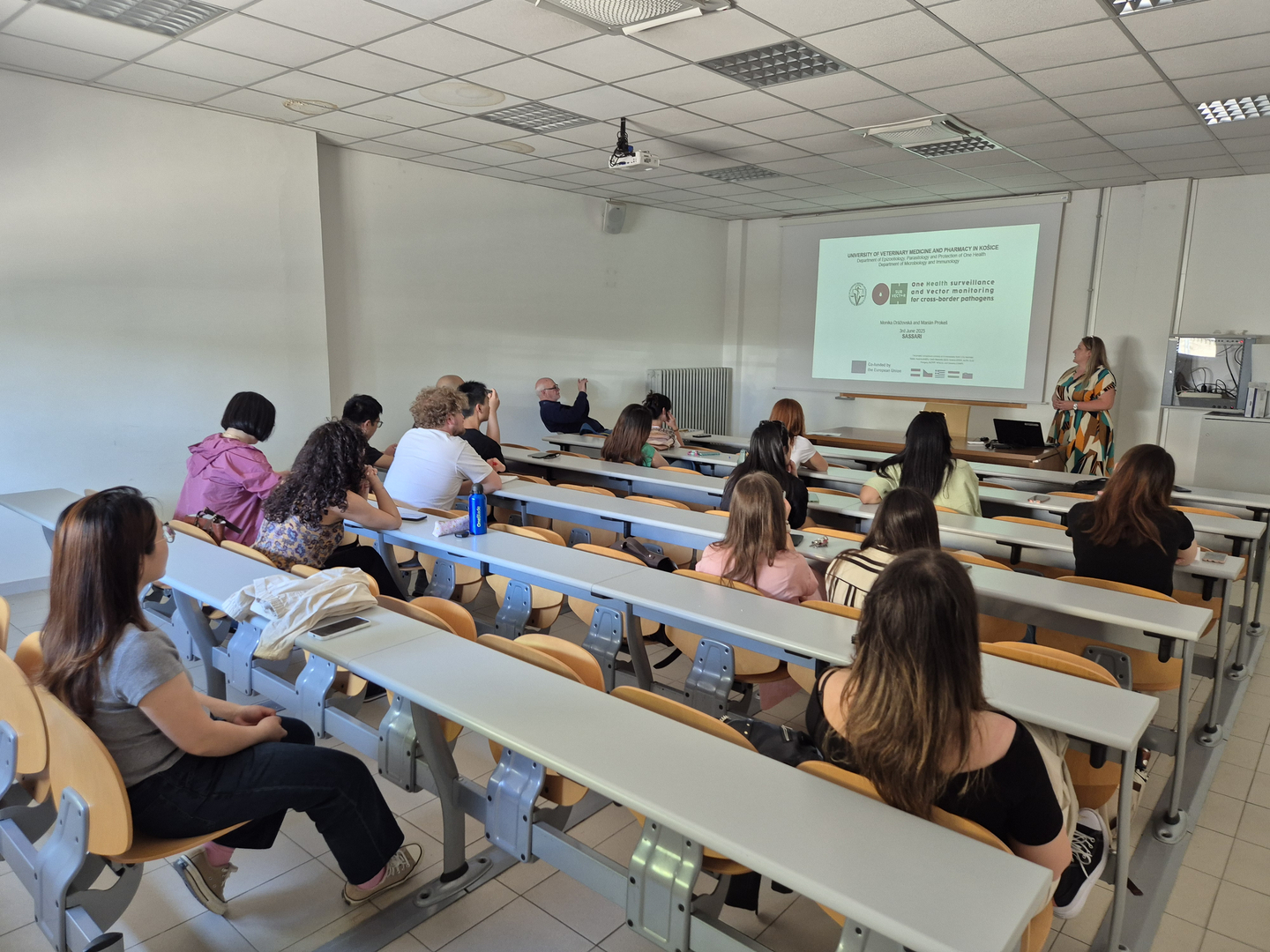
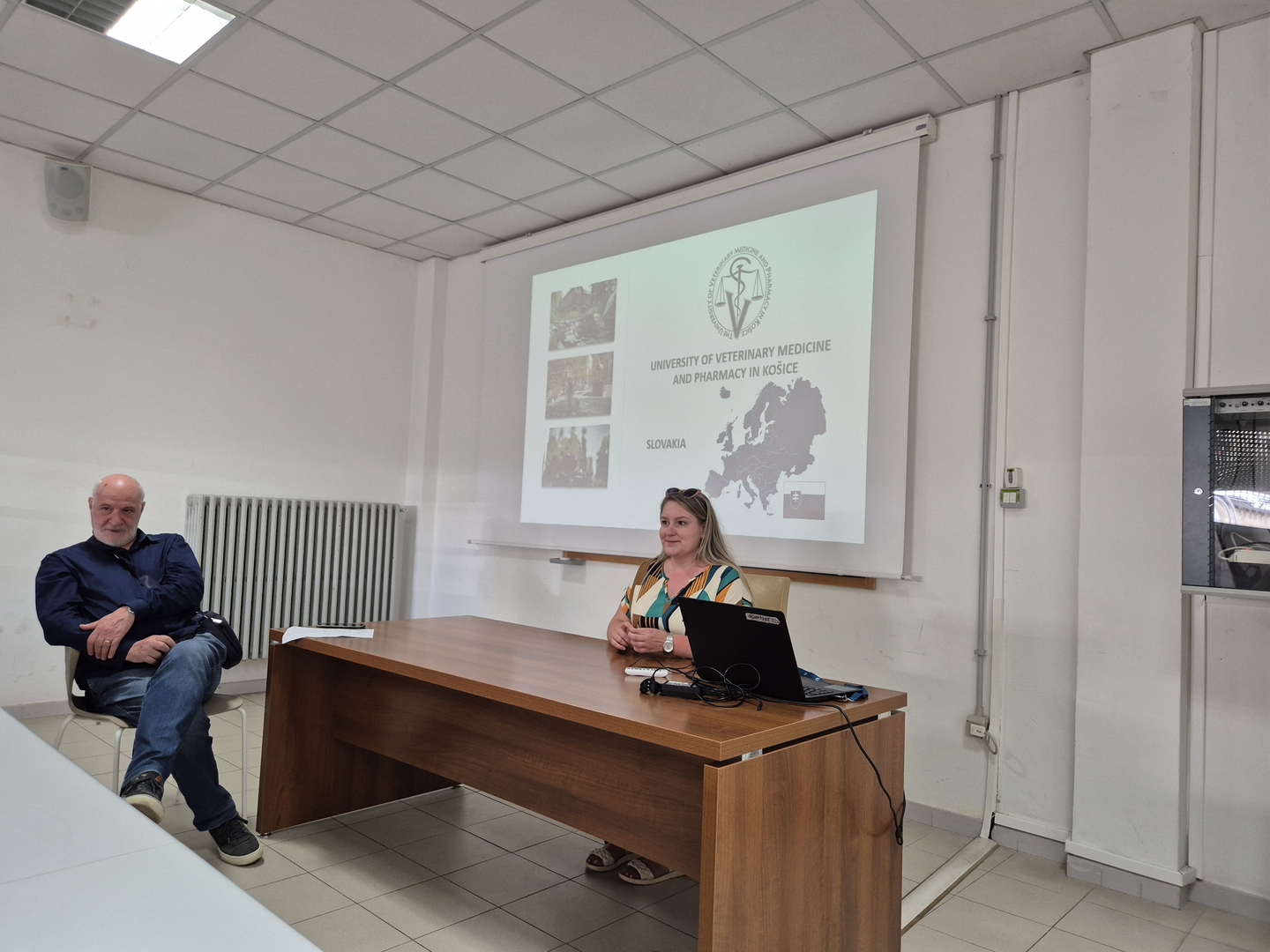
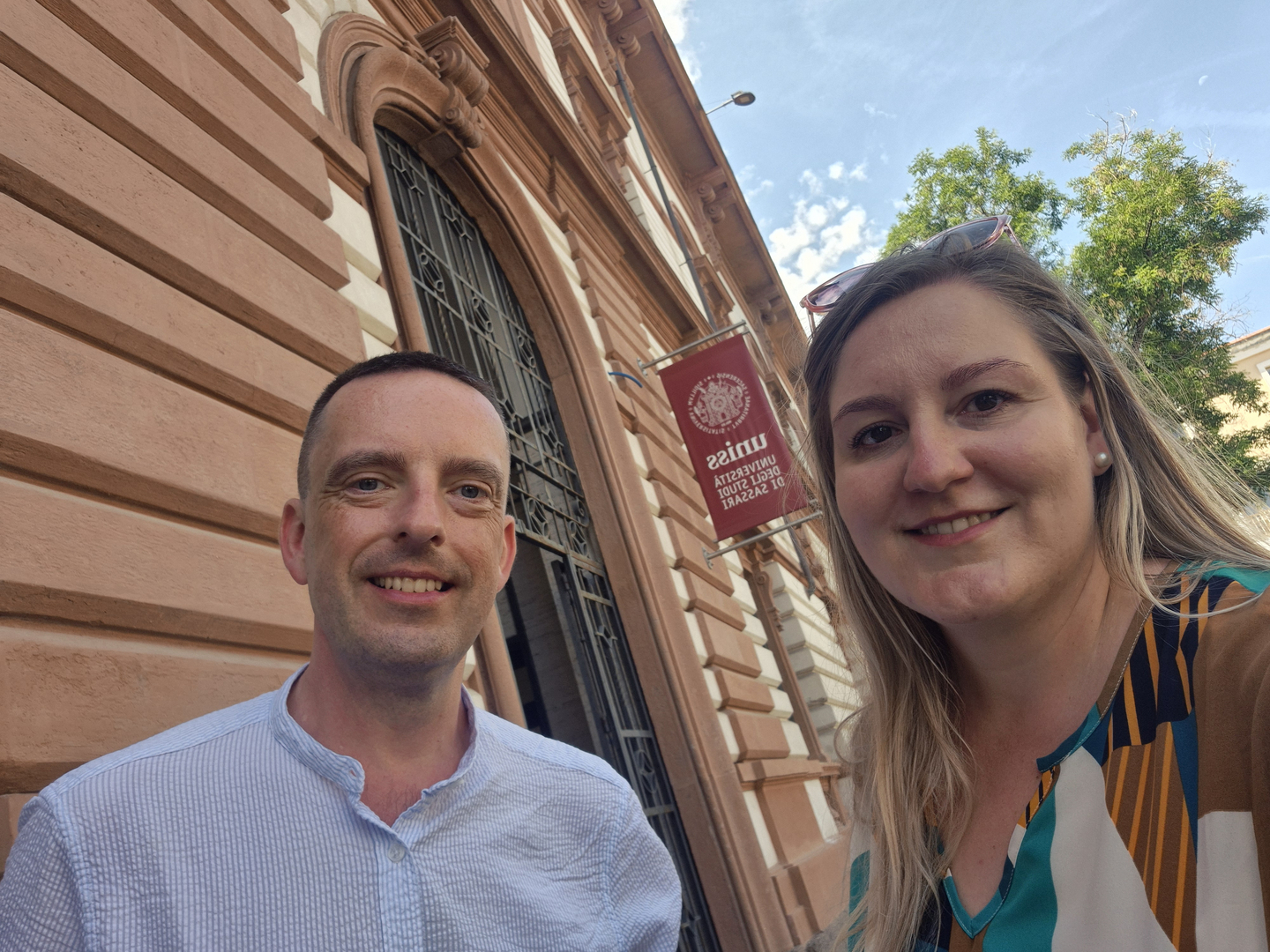
On 2–13 June 2025, Monika Drážovská and Marián Prokeš visited the Department of Biomedical Sciences, University of Sassari, Sardinia, Italy, as part of their training under the Erasmus+ staff mobility. They were invited by Professor Salvatore Rubino, an expert in microbiology.
During the visit, they introduced the University of Veterinary Medicine and Pharmacy in Košice and the project OH SURVector. On 3 June 2025, they presented the main activities and the first results after the first year of the project in Slovakia to the university’s PhD students. They shared their experience with the project implementation and obtaining authentic results from the field and laboratory in Slovakia. As a result of the Erasmus+ stay, cooperation at the international level was established, which can contribute to quality improvement, increase the success rate of project proposals, and lead to new scientific results.
The mobility led to a deepening of knowledge about the occurrence of selected vector-borne pathogens. The epizootiological and epidemiological situation in Sardinia and Slovakia were compared.
Our huge thanks go to Professor Rubino for his kindness, willingness, and hospitality.
Marián Prokeš and Monika Drážovská, Slovakia
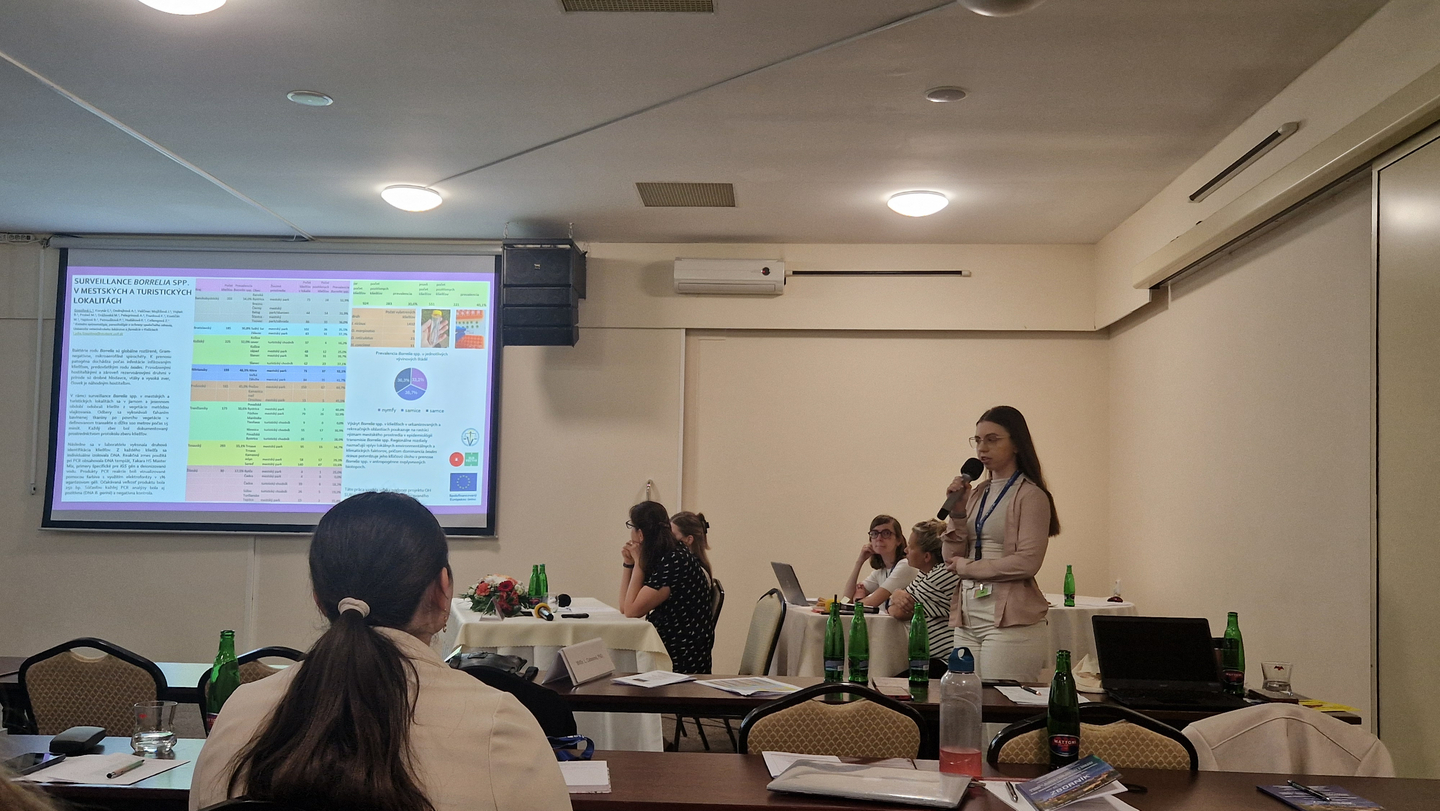
Between 28th and 30th May 2025 the 7th International Scientific Congress on Zoonoses, Food-Borne and Water-Borne Diseases – Protection of Human and Animal Health and the 29th Červenka’s Days of Preventive Medicine were organized as one event by various institutions from Slovakia and the Czech Republic, including the EFSA Focal Point, the Ministry of Agriculture, and the Slovak Epidemiological and Vaccinological Society.
The University of Veterinary Medicine and Pharmacy in Košice (UVMP) and the OH SURVector project were represented by Prof. Anna Ondrejková, Dr. Jakub Lipinský, Dr. Katarína Franková, and Dr. Lýdia Gogoľová. They presented partial project results on three posters:
- Lipinský et al.: Surveillance of WNV in selected locations.
- Franková et al.: Surveillance of tick-borne encephalitis virus in urban and tourist locations.
- Gogoľová et al.: Surveillance of Borrelia spp. in urban and tourist locations.
The abstracts and contributions were published in peer-reviewed proceedings after the conference.
During the conference, the UVMP team established contacts with potential cooperation partners from the Jessenius Faculty of Medicine in Martin and Comenius University in Bratislava. Prof. Henrieta Hudečková, the head of the Institute of Public Health at Comenius University, expressed interest in future cooperation, particularly in tick collection or organizing a workshop for students from Comenius University or the Faculty of Medicine at the University of Ostrava, Czech Republic


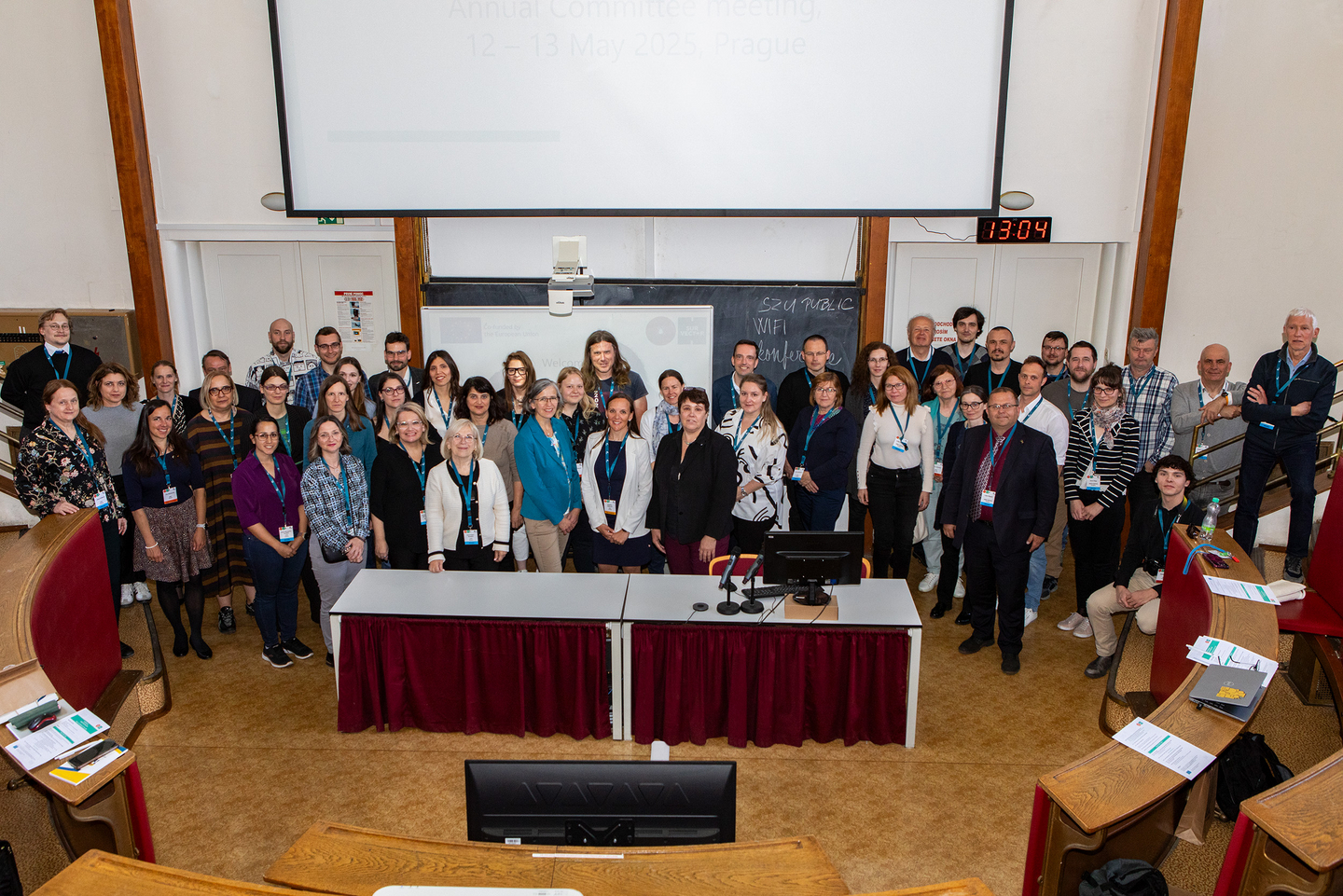
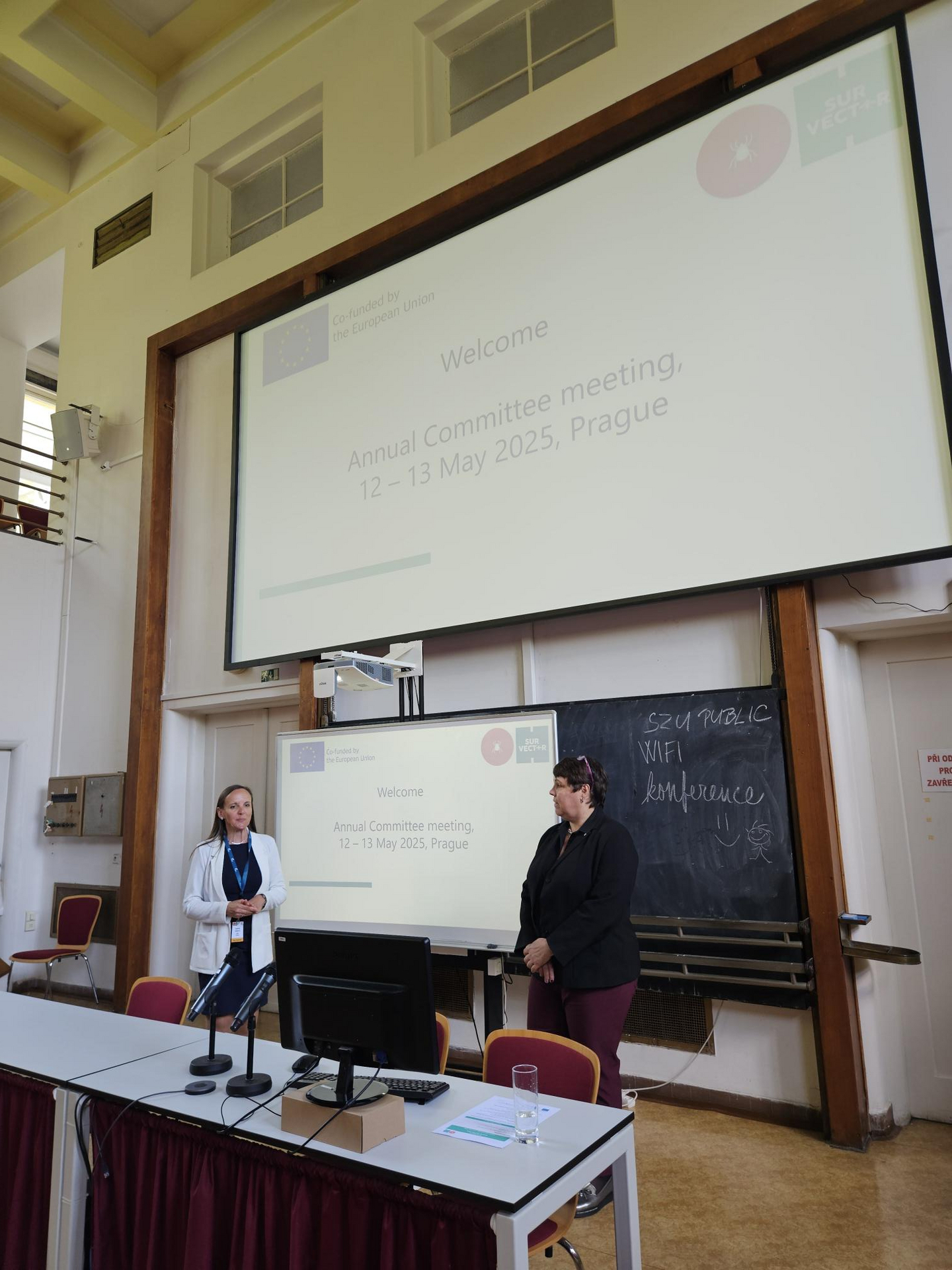
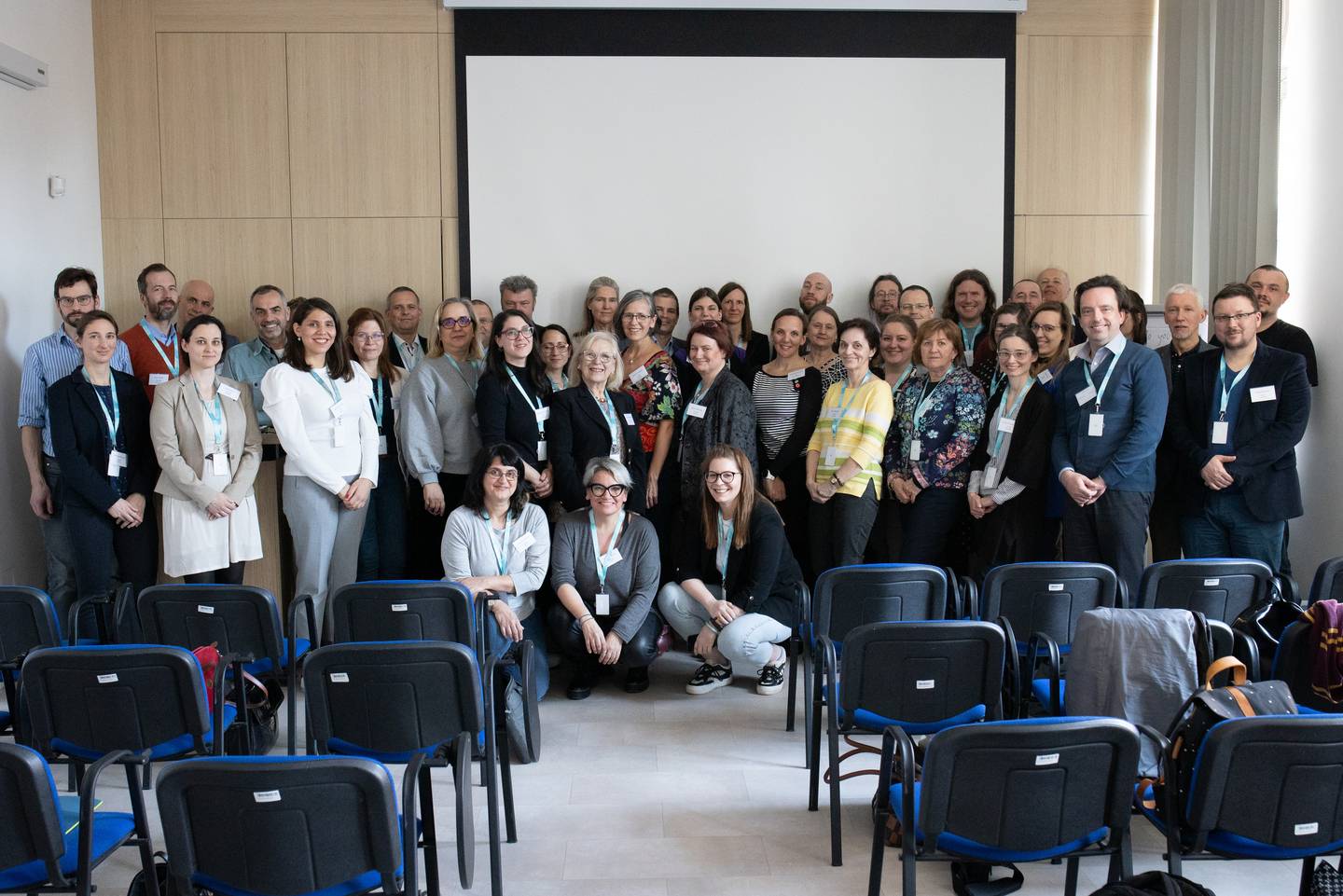
On May 12th and 13th, the second Annual Consortium Meeting in person for the OH SURVector project was held in the beautiful city of Prague (Czech Republic), bringing together around 50 experts from Austria, Czech Republic, Greece, Hungary, and Slovakia.
This event aimed to present and discuss approaches and methodologies in vector monitoring, fostering collaboration among participating countries. Representatives from HaDEA and EFSA also attended, contributing their expertise on relevant reporting to the EU as the funding body and the reporting of data to EFSA. The experts shared insights and strategies to enhance both cross-border and regional surveillance systems. This collaborative effort is expected to improve public health outcomes by addressing vector-borne diseases more effectively.
A big thank you to the organizers!

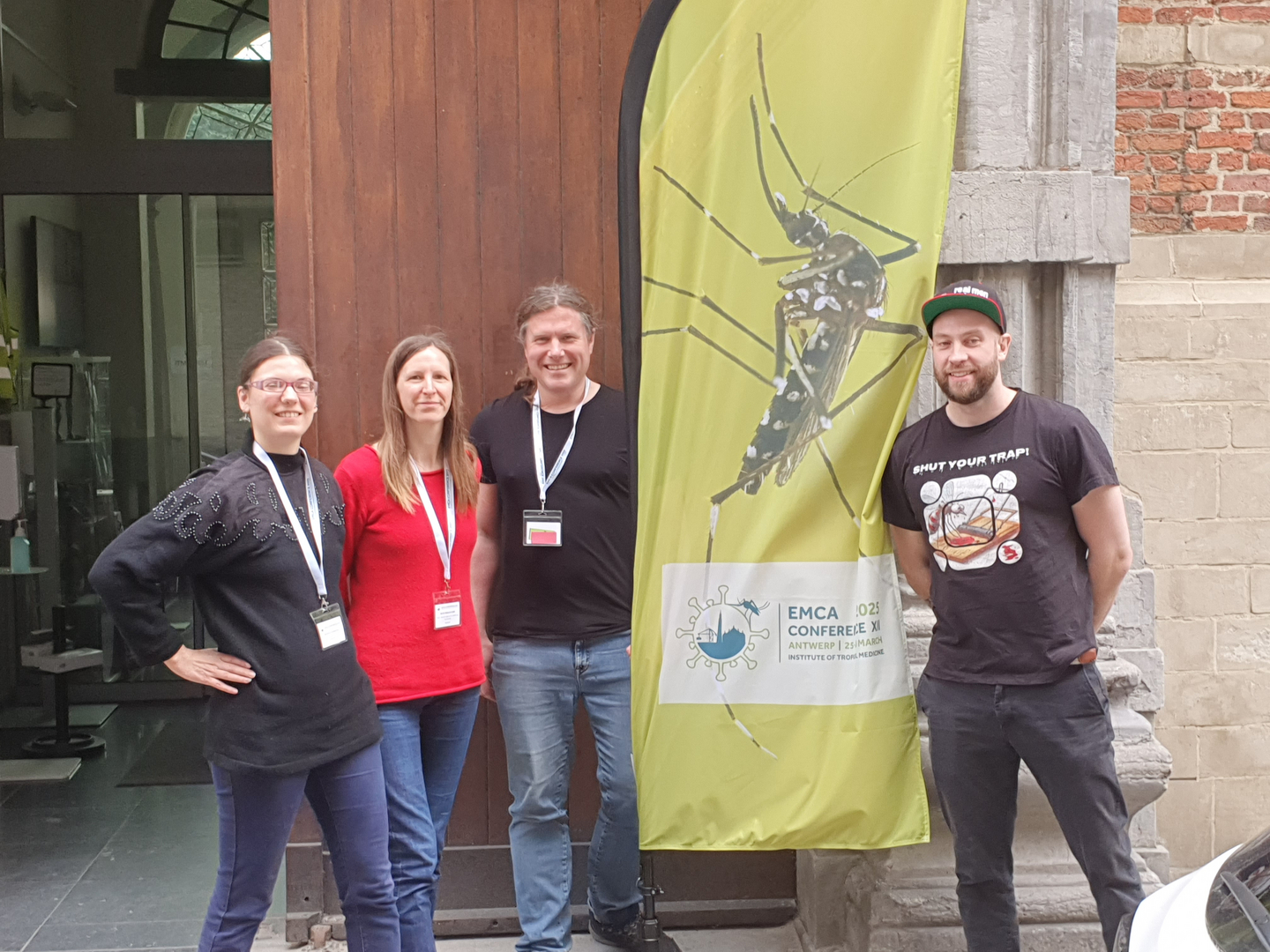
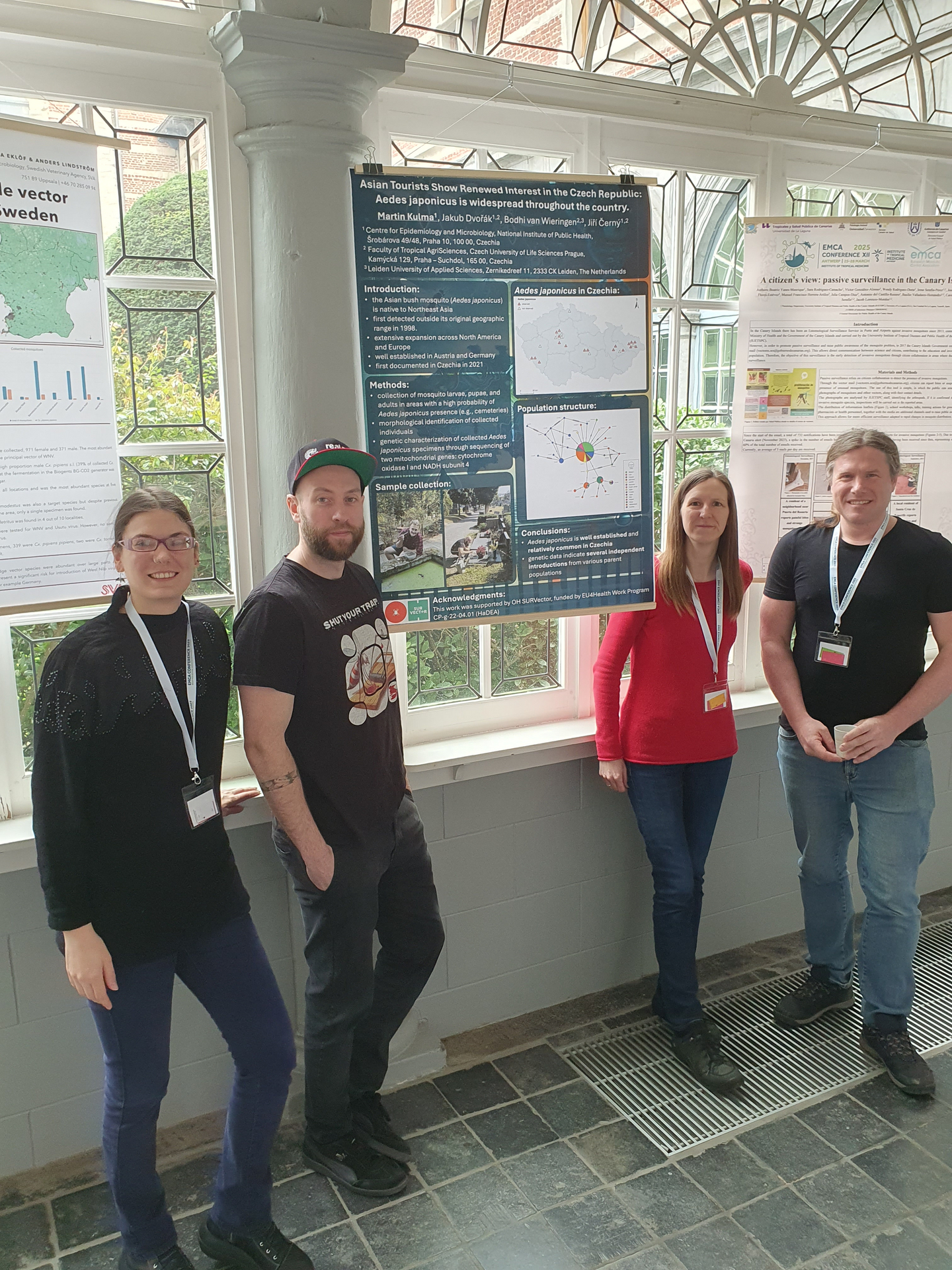
The XII International EMCA Conference was held from March 25th to 28th, 2025 at the Institute of Tropical Medicine, Antwerp, Belgium. This year's conference theme, "Ready for Action: Advances in Mosquito Control” invited participants to exchange their experiences and practices essential for effective management of mosquitoes and other vectors.
The OH SURVector mosquito team joined the conference, or at least the “mosquito hunters” of two OH SURVector member states: From Austria, Karin Bakran-Lebl and Barbara Seebacher (AGES), and from the Czech Republic, Jiří Černý and Martin Kulma (NIPH). They were able to share the results of one year OH SURVector: Martin Kulma presented his poster “Asian tourists show renewed interest in the Czech Republic: Aedes japonicus is widespread throughout the country“.
During the key note session “Vector surveillance across landscapes“ Karin Bakran-Lebl presented her lecture “Results from the first year of the nationwide West Nile virus monitoring in Austria, 2024” followed by Jiří Černý and his input on “Systematic large-scale West Nile virus monitoring in Czechia.”
The conference covered a broad field from new mosquito control innovations as well as relevant scientific findings, sorted in key notes about topics like AI and tech in mosquito monitoring and identification, One Health in mosquito science, insecticide resistance and more.
In addition to the conference, EMCA hosted a one-day training course on March 24th with focus on the issue of insecticide resistance in mosquitoes. Karin Bakran-Lebl was able to attend the training and gained valuable insights through a mix of lectures, discussions and practical training.


We wish all our partners, coworkers, and OH SUR Vector-fans happy holidays and all the best for 2025.
Stay healthy!
Your OH SURVector-team
On November 26, 2024, the semi-annual online meeting of the OH SURVector consortium took place. A total of 37 participants attended this important meeting.
Key Topics and Outcomes:
- Next Meeting: The next Steering Committee meeting is planned for the first quarter of 2025.
- Annual Meeting 2025: The next live annual meeting will take place in the spring of 2025 in the Czech Republic, organized by SZÚ (Czech National Institute of Public Health). A two-day meeting is planned in the historic SZÚ building, celebrating its 100th anniversary.
- Country Presentations: Various countries presented their latest research findings. Notably, Greece presented on the Aigai virus, identified as non-pathogenic and similar to a vaccine strain.
- Breakout Sessions: Specialized breakout sessions for Work Packages (WP) 2 - Fieldwork tick monitoring, WP 3 – Fieldwork mosquito monitoring, and WP 4 – Laboratory diagnostics were held, followed by a plenary session for WP 5 – Data and analysis and WP 6 – Communication and dissemination. These sessions facilitated in-depth discussions and planning of future steps.
- Data Submission: Discussions on data submission to EFSA and GBIF were conducted. Some countries take advantage of additional training for data submission, which will be provided by EFSA.
- Communication Plan: The communication plan (Deliverable 8) was discussed and will be further developed to enhance collaboration and information exchange within the consortium.
Next steps:
- Harmonization Potential: The discussion on harmonization potential of surveillance activities across countries will continue in the upcoming WP sessions.
- Data Submission: Countries are to submit their pathogen data collected in 2024 by the end of February 2025.
- Communication: A WP 6 meeting will be coordinated to finalize the communication plan and plan further communication activities.
A big thank you to all participants for their valuable contributions and dedication. We look forward to the upcoming meetings and continued collaboration!

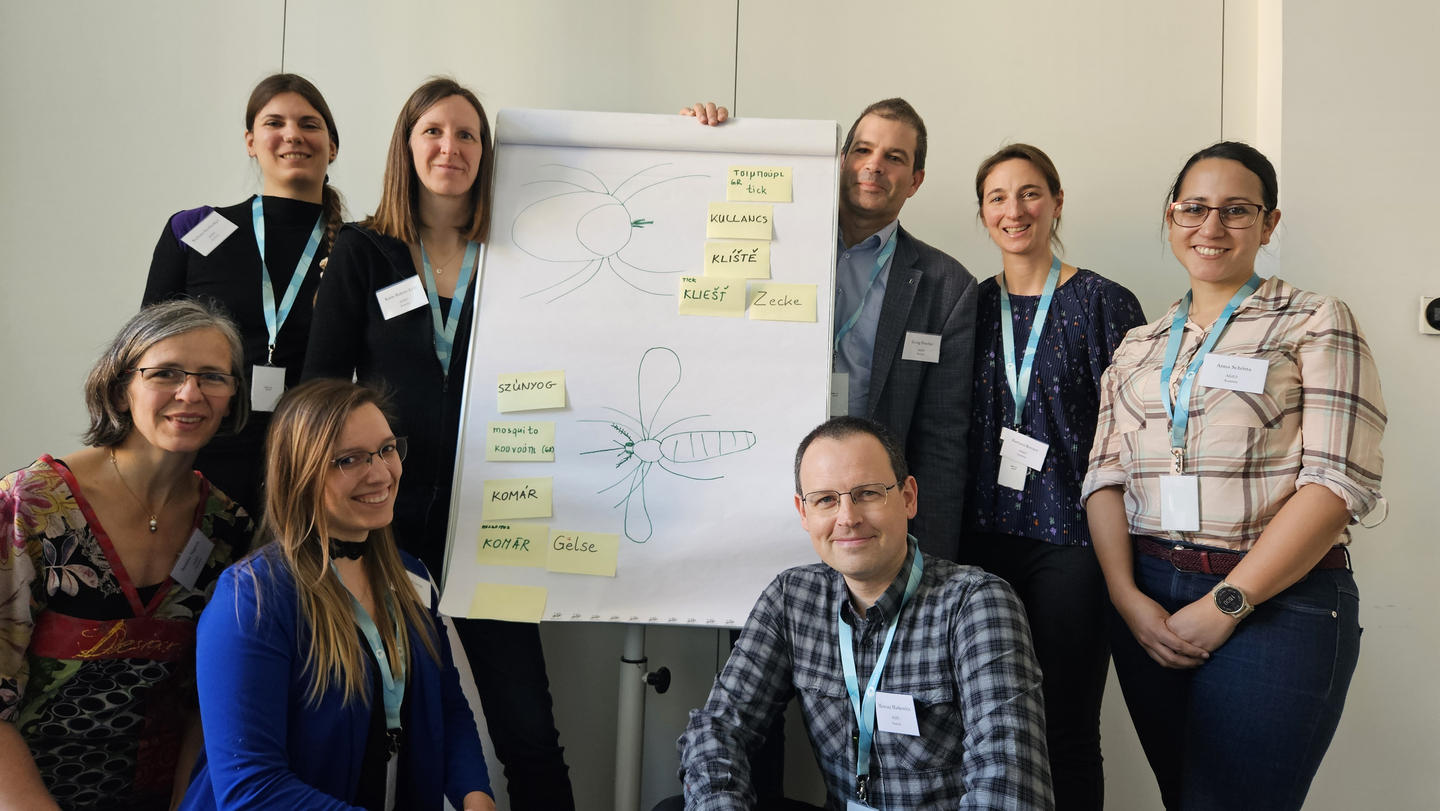
On March 18th and 19th 2024, the kick-off meeting of the EU project OH SURVector took place in Budapest, Hungary. Colleagues from all five countries and all eight institutions attended to get to know each other personally and establish exchanges within and between the individual working groups.
After a welcome by the hosts Ágnes Dánielisz and Gábor Kardos from the Hungarian Public Health Institute (NCPHP) on the first day, project coordinator Annette Nigsch (AGES), together with former Hungarian Chief Veterinary Officer Lajos Bognár, took over moderation. To break the ice, the two most important terms of the project were initially exchanged in the respective national languages: mosquito & tick. Subsequently, the visions, goals, dos and don'ts were jointly reaffirmed.
Also present were representatives from EFSA (European Food Safety Authority) and HaDEA (European Health and Digital Executive Agency) to provide insights into ongoing tasks, explain the most important framework conditions for project implementation, and answer our open questions. The cultural program consisted of a sightseeing walk at Heroes' Square and to Vajdahunyad Castle, followed by a great Hungarian dinner at the traditional Gundel Restaurant.
On the second day, work was carried out within the individual working groups on the first milestones and deliverables. Furthermore, Annette Nigsch presented the Consortium Agreement.
A big thank you to the hosts for jointly organizing the successful kick-off meeting. We wish all participants good cooperation and success in catching mosquitoes and ticks!
Results and downloads
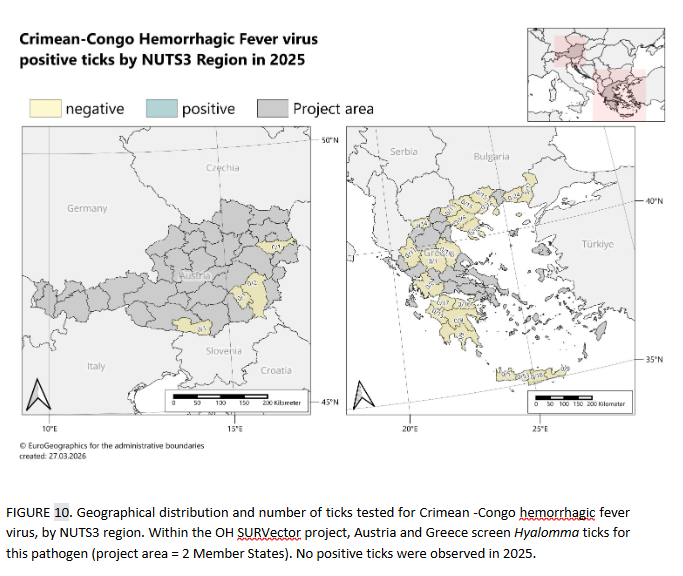
Crimean-Congo hemorrhagic fever virus (CCHFV), a WHO-, ECDC- and EFSA-prioritized tick-borne pathogen, is gaining relevance as Hyalomma ticks expand northward in Europe. Within OH SURVector, Austria and Greece began systematic Hyalomma surveillance and CCHFV testing in 2025; ticks have been detected, but all samples remain negative so far.
The case highlights both the value and limits of harmonized cross-border surveillance: PCR-based diagnostics can be aligned comparatively well, while field sampling must remain flexible to account for local climate, vector ecology and infrastructure. Early coordination, therefore, is less about strict uniformity than about making surveillance data comparable across countries.
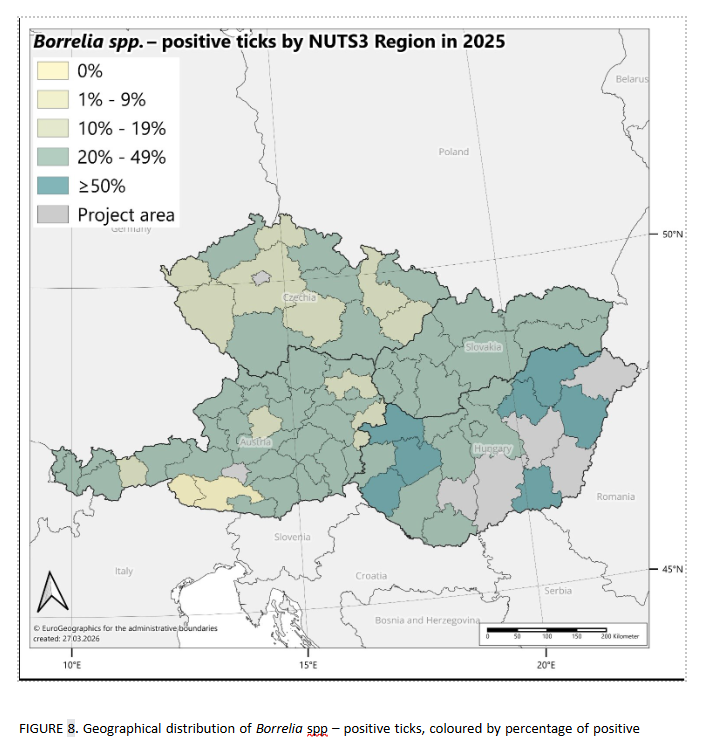
Recent tick surveillance data (2025) show that Borrelia spp. are widely distributed across Austria, Hungary, Slovakia, and Czechia, with infection rates in ticks frequently ranging from 20–49 % or higher. This confirms that exposure risk is geographically widespread rather than limited to hotspots.
Lyme borreliosis is the most common tick-borne disease in Europe, yet surveillance systems differ significantly between countries. The disease is not notifiable in Austria, leading to substantial underreporting, while it is notifiable in Hungary, Slovakia, and Czechia, where more robust epidemiological data are available. These differences limit cross-country comparability and obscure the true burden of disease.
Monitoring Borrelia prevalence in ticks is therefore essential. Tick-based surveillance provides: 1) Objective risk assessment, independent of clinical reporting biases, 2) Early warning of emerging or expanding risk areas, including climate-driven changes, 3) Evidence for targeted prevention and public health planning.
Strengthening harmonized surveillance—combining human case data and vector monitoring—is critical to accurately assess and manage Lyme borreliosis risk across Europe.
Aktualisiert: 27.08.2026