Asian hornet
Profile
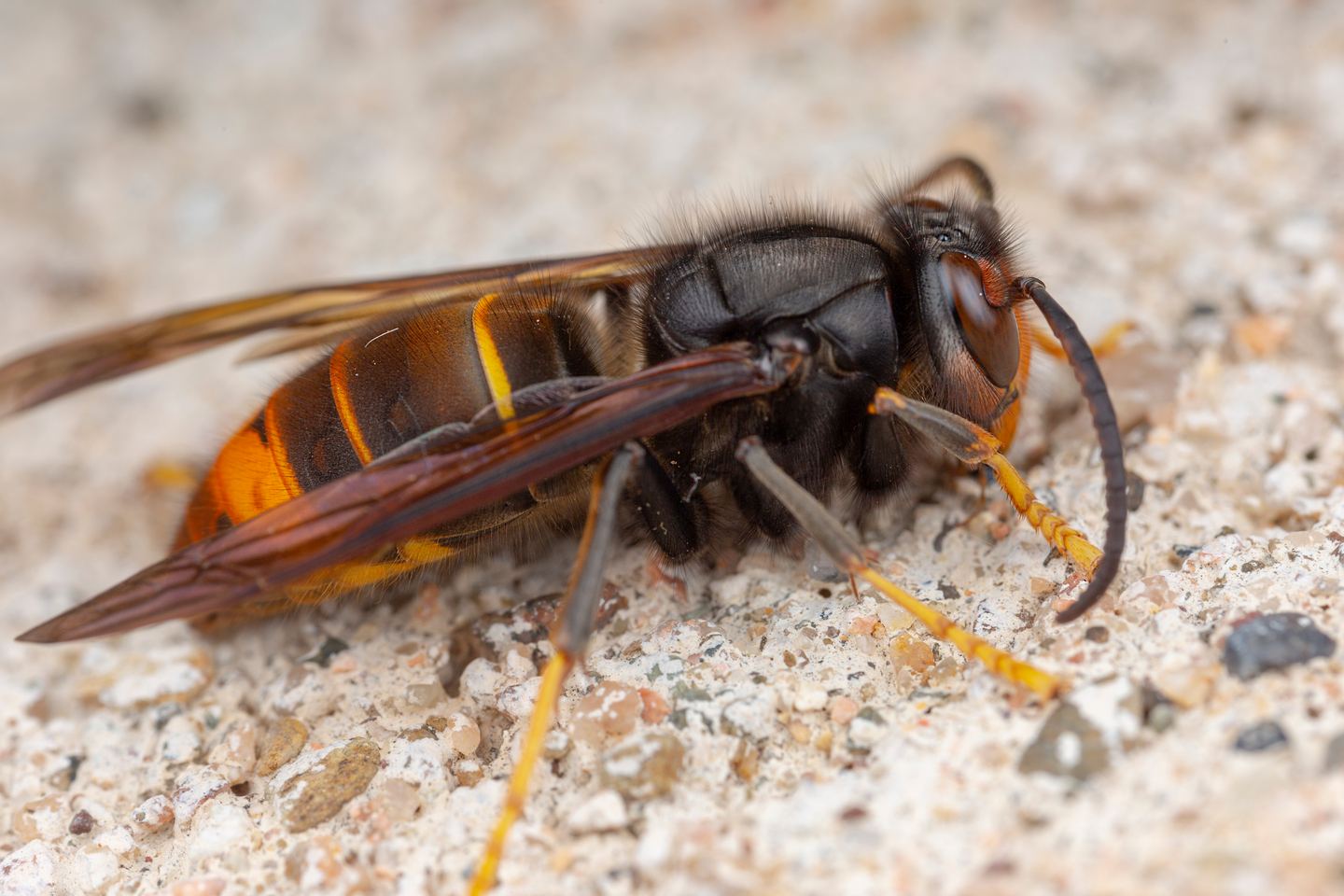
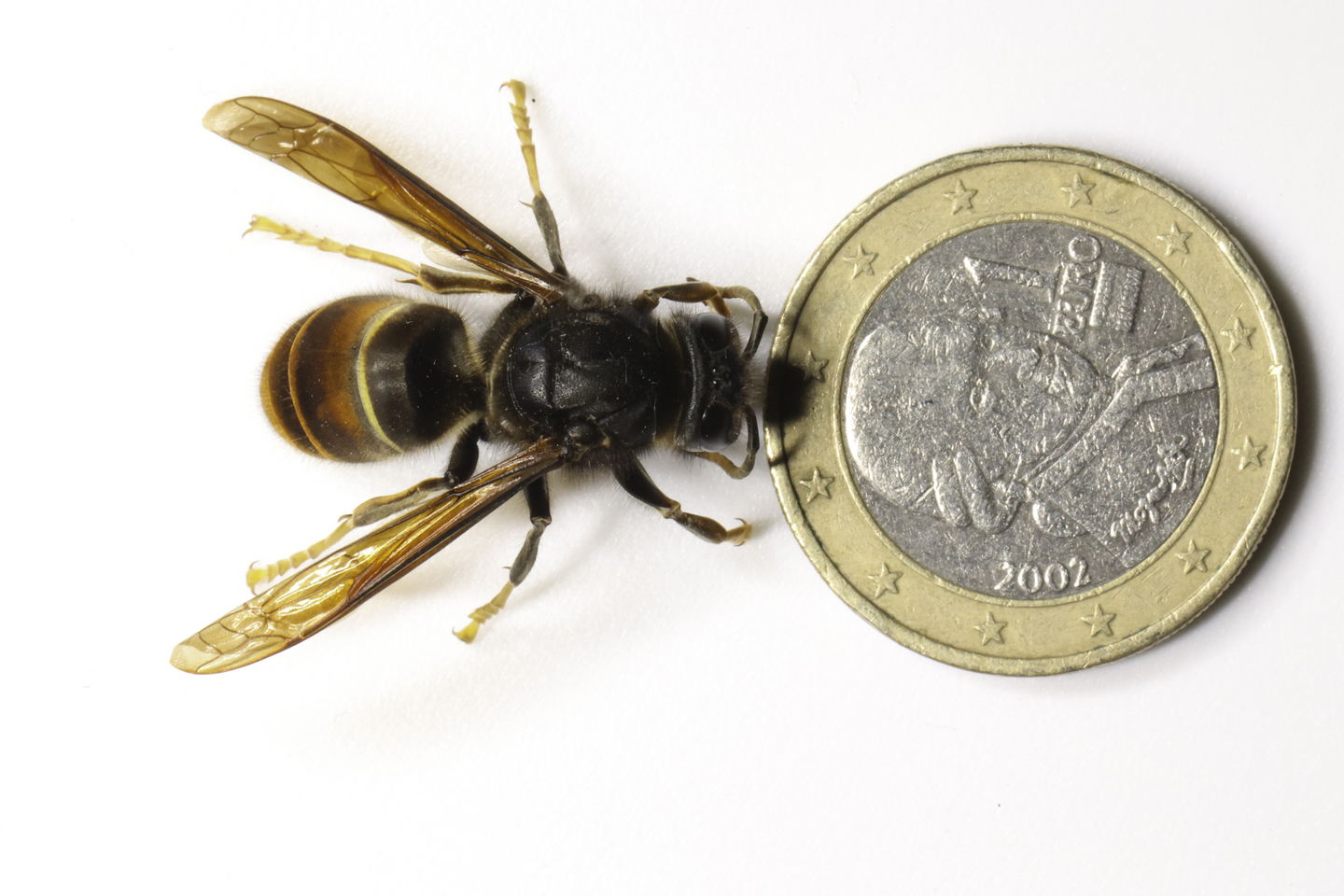
The Asian hornet, Vespa velutina (nigrithorax subspecies), was introduced to France from South-East Asia in 2004. Since then, it has been spreading unstoppably across Europe. On 9 April 2024, it was sighted for the first time in Austria (in the city of Salzburg). In 2026, the Asian hornet was found in both Vorarlberg and Tyrol.
Occurrence
Since it was first recorded in France in 2004, the Asian hornet has spread to many European countries. It has now also become widespread in Austria’s western neighbouring countries (Italy, Switzerland, Germany) and has been sighted in the Lake Constance region near the Austrian border since 2023. Also in 2023, a nest of the Asian hornet was observed near the Austrian border in Hungary and successfully destroyed. In recent years, further isolated nest sightings have been reported in Austria’s neighbouring countries (Czech Republic: 2023, 2024; Slovenia: 2024). It is considered possible that the species could spread throughout Europe as far as southern Scandinavia.
Situation in Austria
In Austria, a specimen of the Asian hornet (Vespa velutina) was found for the first time in 2024; this was a single adult female in the city of Salzburg.
Since June 2026, individual specimens and nests have been discovered in Vorarlberg. The nests found have been destroyed, and further nests are scheduled to be destroyed should they be found. As there are already several recorded locations, further spread is likely.
At the end of August 2026, Asian hornets were sighted in Kössen in Tyrol, and a secondary nest was subsequently found in rough terrain. This was destroyed on 10 September 2026.
We ask beekeepers in Vorarlberg and Tyrol to be particularly vigilant. Beekeepers in the Pinzgau region of Salzburg, with apiaries bordering Tyrol, should also be on the alert. Reports of suspected sightings are accepted via the Austria-wide platform. For Vorarlberg and Tyrol, reports can also be submitted by email (Vorarlberg: velutina@viv.at; Tyrol: umweltschutz@tirol.gv.at). Please ensure you include a clear photo (showing distinct colours) with your email and provide the location of the sighting as well as a contact number.
Central Velutina reporting portal (Biene Österreich, Chambers of Agriculture)
In the other federal states, too, we ask beekeepers to be particularly vigilant near their bee colonies during the summer and autumn months. Based on experience in other countries, we recommend the following procedure: during your regular apiary visits throughout the season, observe the flight of bees from the hives for around 20 minutes – this should be sufficient to detect any presence of the Asian hornet. If you suspect a sighting, please document the situation (with photos or video) and report your suspicion to the relevant authorities. The Federal Office for Food Safety (Import Control) and the nine provincial governments are responsible for invasive species (see the list of Austrian reporting centres in the downloads section).
Please do not catch or kill any animals, as they may be mistaken for native species and there is a risk of injury from stings.
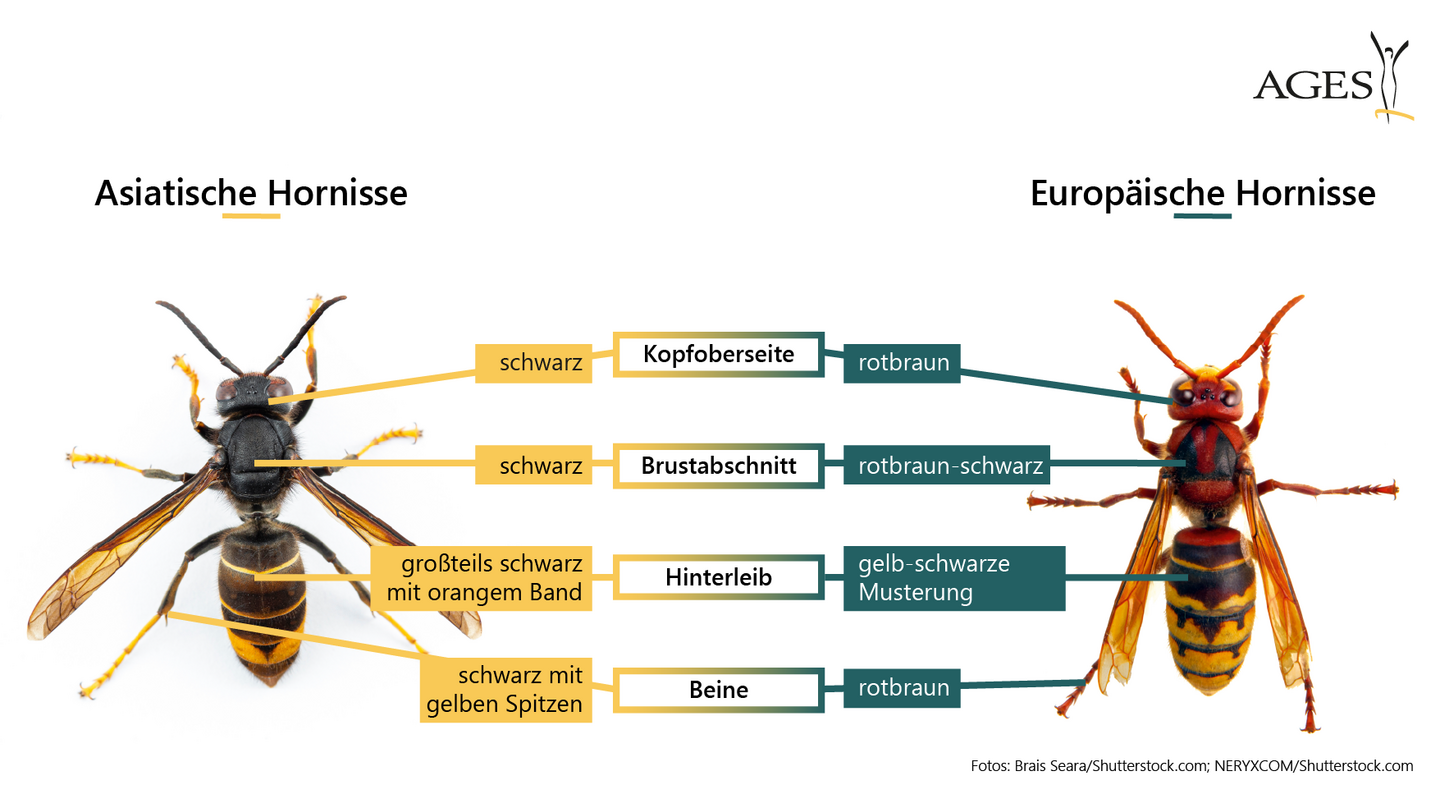
You will find information material in the downloads section to help with identification.
Technical information
Vespa velutina is of particular interest to beekeepers, as it primarily hunts social hymenopterans (bees, wasps) to feed its brood. However, it also hunts other insects such as hoverflies, grasshoppers, beetles and butterflies. Opinions differ as to the extent of the damage it can cause to bee colonies. Vespa velutina is diurnal and hunts its prey whilst in flight. It lies in wait outside beehives, ambushing returning bees as they hover. Where Asian hornet populations are dense, this can lead to the weakening of colonies and even to the loss of entire colonies. One report states that in late autumn, when the numbers of other insect populations are declining, approximately 75 bees are preyed upon each day.
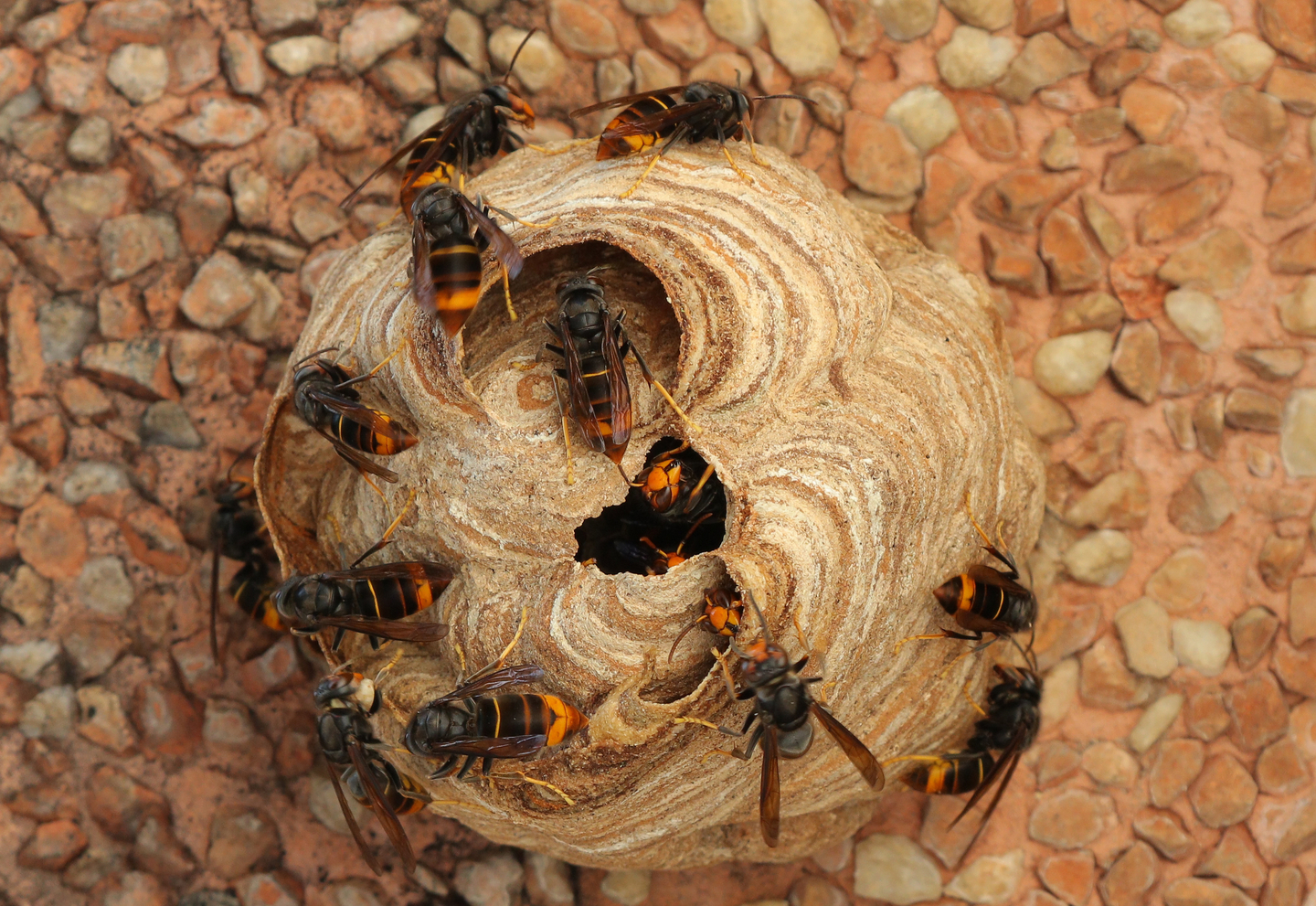
A characteristic feature is the pear-shaped nests, which are built in tall trees. In late summer, these have a diameter of around 40 to 60 cm with a side entrance. The hornet colony produces an average of 6,000 individuals per year, although only the young queens overwinter.
The Asian hornet is just as harmless to healthy people as the native hornet, Vespa cabro (although allergic reactions are possible). Both species are peaceful and normally only attack humans when threatened. Their noisy flight is particularly unsettling.
Last updated: 11.09.2026
automatically translated