Origin of radioactivity
Radioactivity refers to the property of certain atomic nuclei to emit energy in the form of ionising radiation. A radionuclide is an atom with an unstable nucleus. Ionising radiation is very high-energy radiation. When ionising radiation hits atoms, electrically charged particles - so-called ions - can be produced.
Most of the radioactivity measured in Austria comes from natural sources and can be detected everywhere in the environment. Natural radionuclides can be categorised into two groups according to their origin: primordial or cosmogenic. Primordial radionuclides have been present since the formation of our solar system. Cosmogenic radionuclides are produced continuously through the interaction of very high-energy cosmic radiation with the Earth's atmosphere.
Radioactive substances that do not occur naturally but are produced by humans are called artificial radionuclides. The majority of the use of artificial radionuclides and ionising radiation is in the medical field.
Laboratory-based environmental monitoring
As part of laboratory-based environmental monitoring, we regularly determine the radioactivity content of various environmental media. To this end, we carry out more than 2,500 laboratory analyses every year on behalf of the BMLUK. The following media are analysed: Air, precipitation, surface water, sewage sludge, wastewater from sewage treatment plants, soil, vegetation, animal feed and fertilisers. The following diagram shows the specified sampling locations throughout Austria.
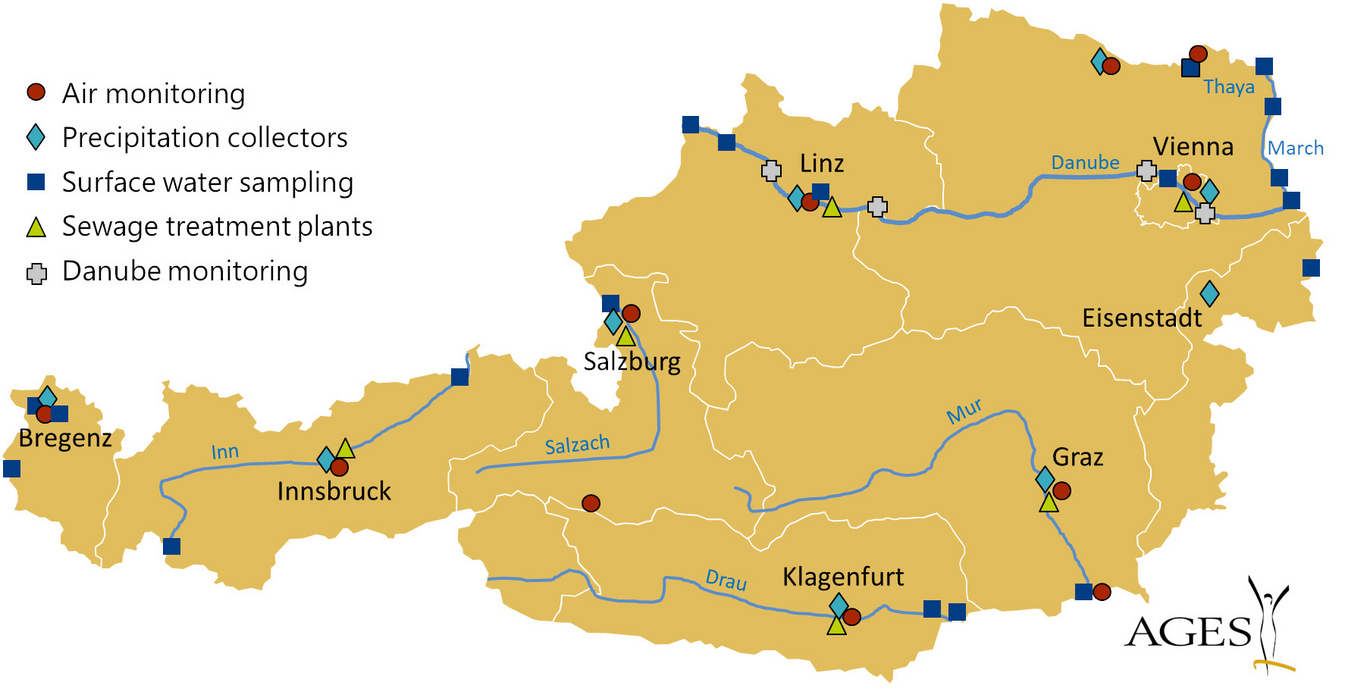
Continuous monitoring enables us to detect even slight increases in radioactivity in the environment and report these immediately to the responsible federal ministry. In the event of conspicuous measured values, an exchange takes place at European and international level via the EU and the IAEA (International Atomic Energy Agency). At the same time, the public is informed.
In addition, radioactivity laboratories around the world are in direct contact with each other and exchange information.
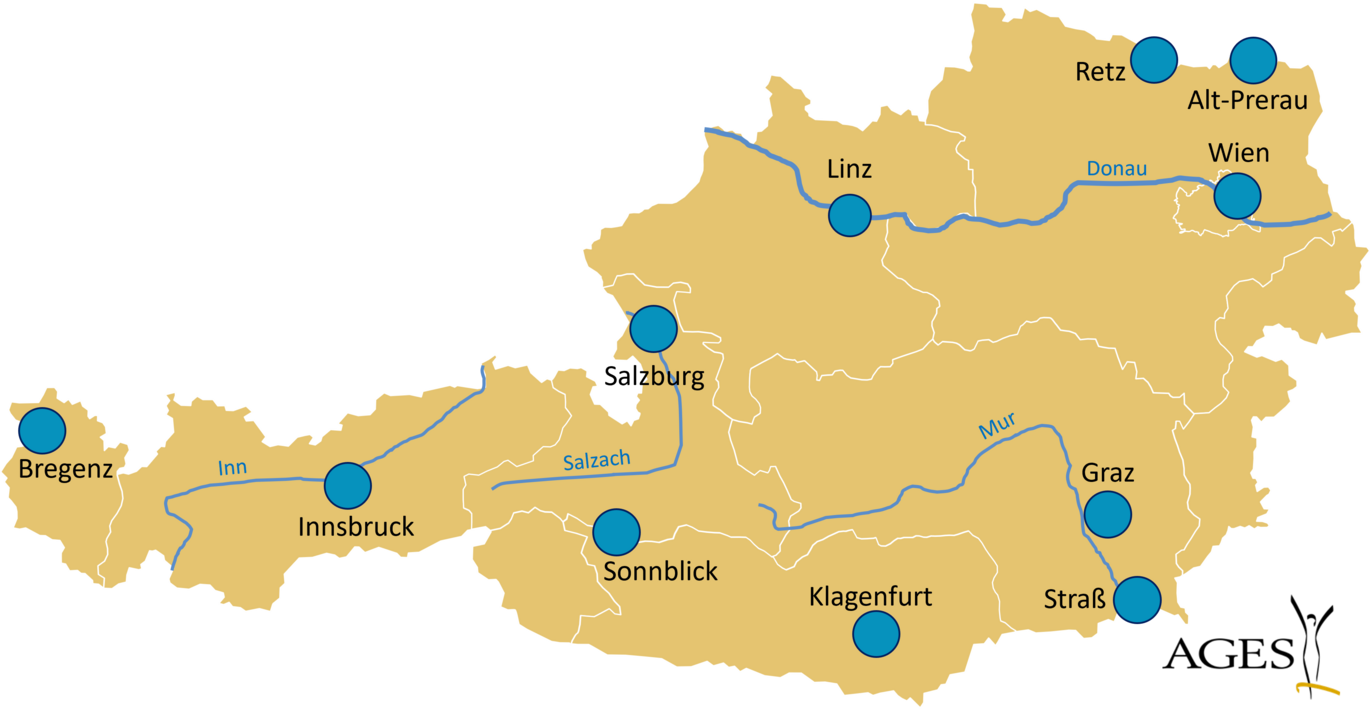
Radionuclides can be transported and dispersed over long distances via the atmosphere. Measuring radioactivity in the air is therefore one of the most important tasks we carry out as part of our environmental monitoring programme. Radioactive particles in the air are collected at eleven sites across Austria in Retz, Alt-Prerau, Vienna, Linz, Graz, Strass, Klagenfurt, Salzburg, Sonnblick, Innsbruck and Bregenz (see diagram).
Most radioactive substances in the air are bound to droplets or particles (aerosols). Sampling is mainly carried out using aerosol collectors. This involves sucking air through a filter, where droplets and particles become trapped and are thus collected. At some sites, special collection devices are also used (Vienna, Linz and Innsbruck) to detect gaseous radionuclides, such as radioactive iodine.
Sampling takes place over a period of one week. The samples are then analysed using gamma spectrometry in our radioactivity measurement laboratories. In the event of unusual readings, our experts report immediately to the relevant federal ministries.
In 2025, a total of 779 samples were collected and analysed for air monitoring.
The main radionuclides detected in the air are natural ones. These originate from the radioactive noble gas radon or are produced in the atmosphere by cosmic radiation (cosmogenic radionuclides).
Radionuclides – Klagenfurt: Beryllium-7
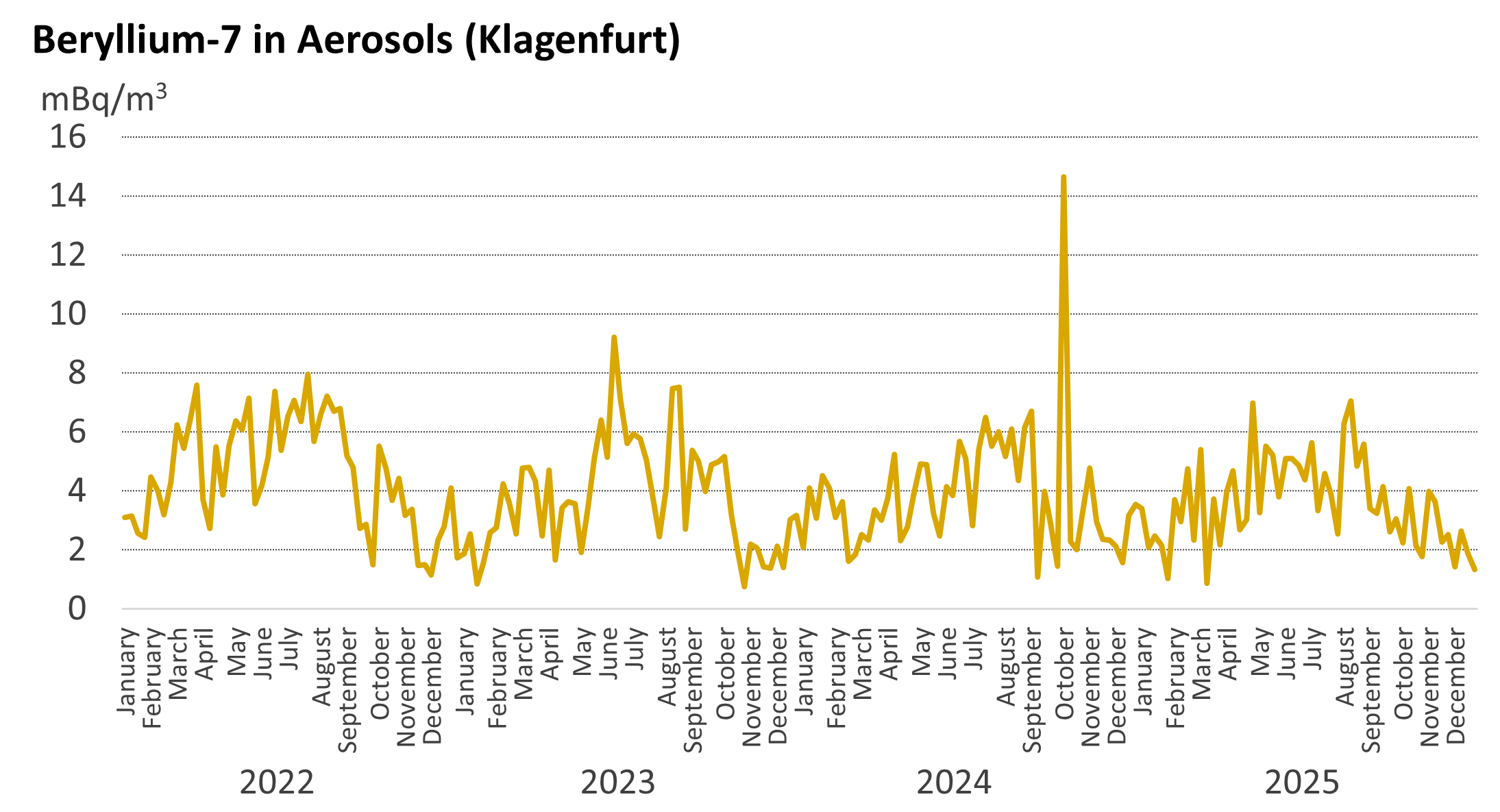
The most significant cosmogenic radionuclide is beryllium-7. The following graph illustrates the trend in beryllium-7 activity concentration in the air in Klagenfurt over recent years. The fluctuations across the different seasons are primarily dependent on meteorological factors.
Radionuclides – Klagenfurt: Caesium-137
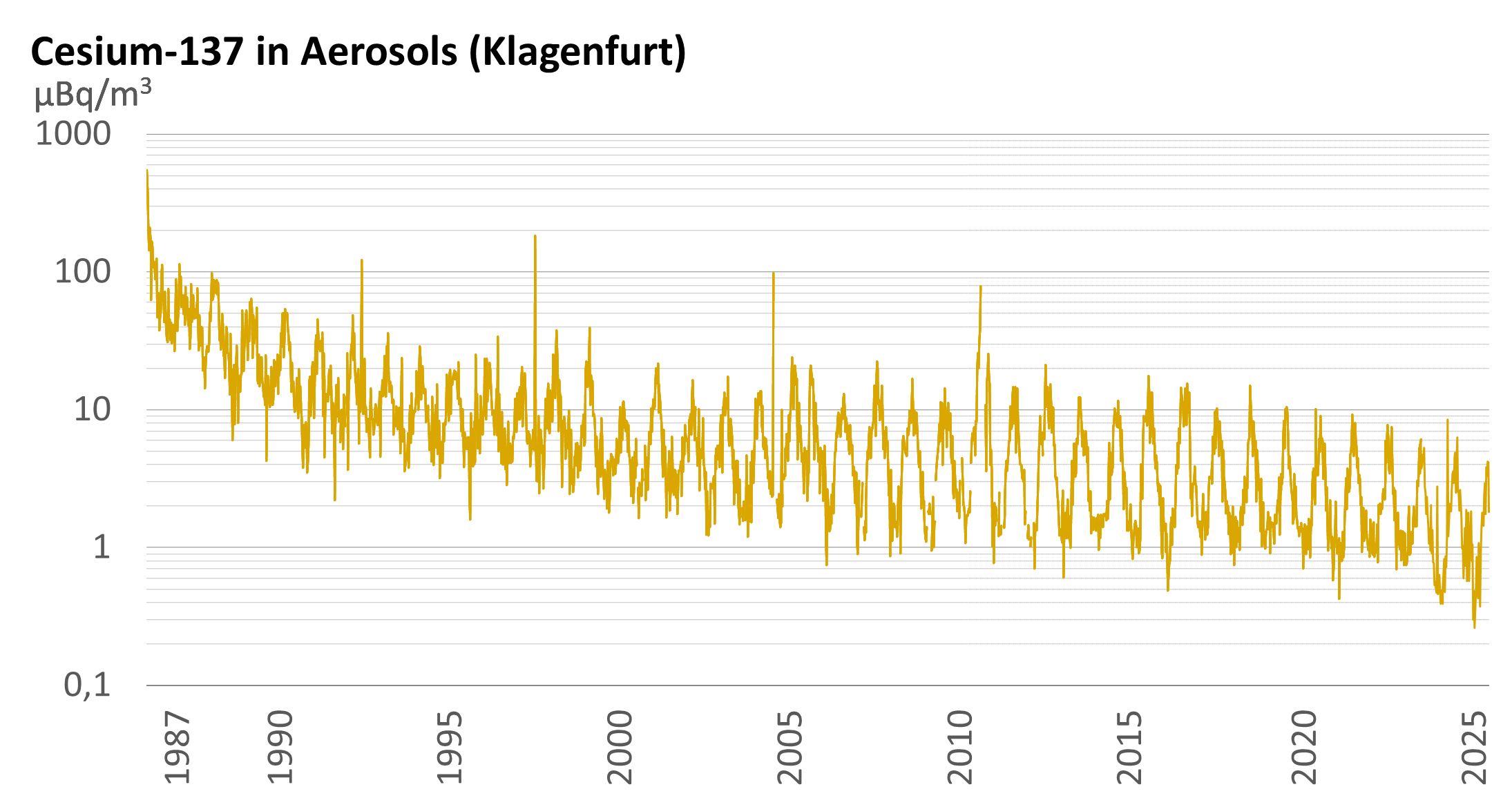
In addition to natural radionuclides, the artificial radionuclide caesium-137 is also regularly detected in the air, most of which originates from the Chernobyl reactor accident. The following graph illustrates the trend in caesium-137 activity concentration in the air for Klagenfurt. The trend shows not only a steady decline but also seasonal fluctuations. The higher values in the winter months are caused by meteorological factors, such as reduced air exchange between atmospheric layers.
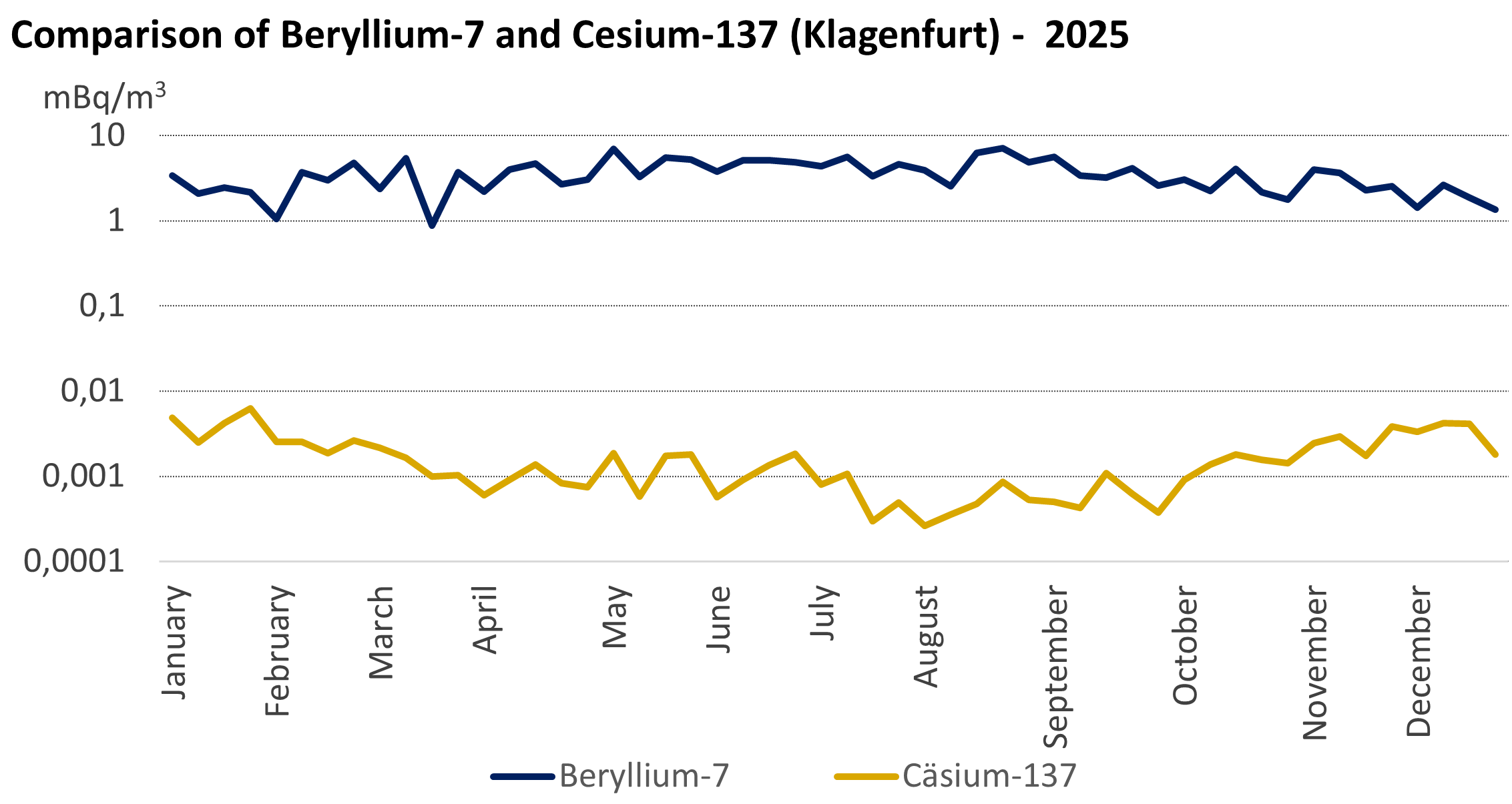
Radionuclides – Klagenfurt: a comparison of beryllium-7 and caesium-137
When comparing the measured values of the two radionuclides, it is very clear that the activity concentrations of the artificial radionuclide caesium-137 are, depending on the season, between a hundred and ten thousand times lower than those of the natural radionuclide beryllium-7 (see graph below).
In addition to the radionuclides regularly found in the air, small amounts of iodine-131 were detected five times in 2025 in air filters from Klagenfurt. With values between 0.4 and 0.7 μBq/m³, the measurement results were only just above the detection limit.
From a health perspective, the measurement results are not relevant.
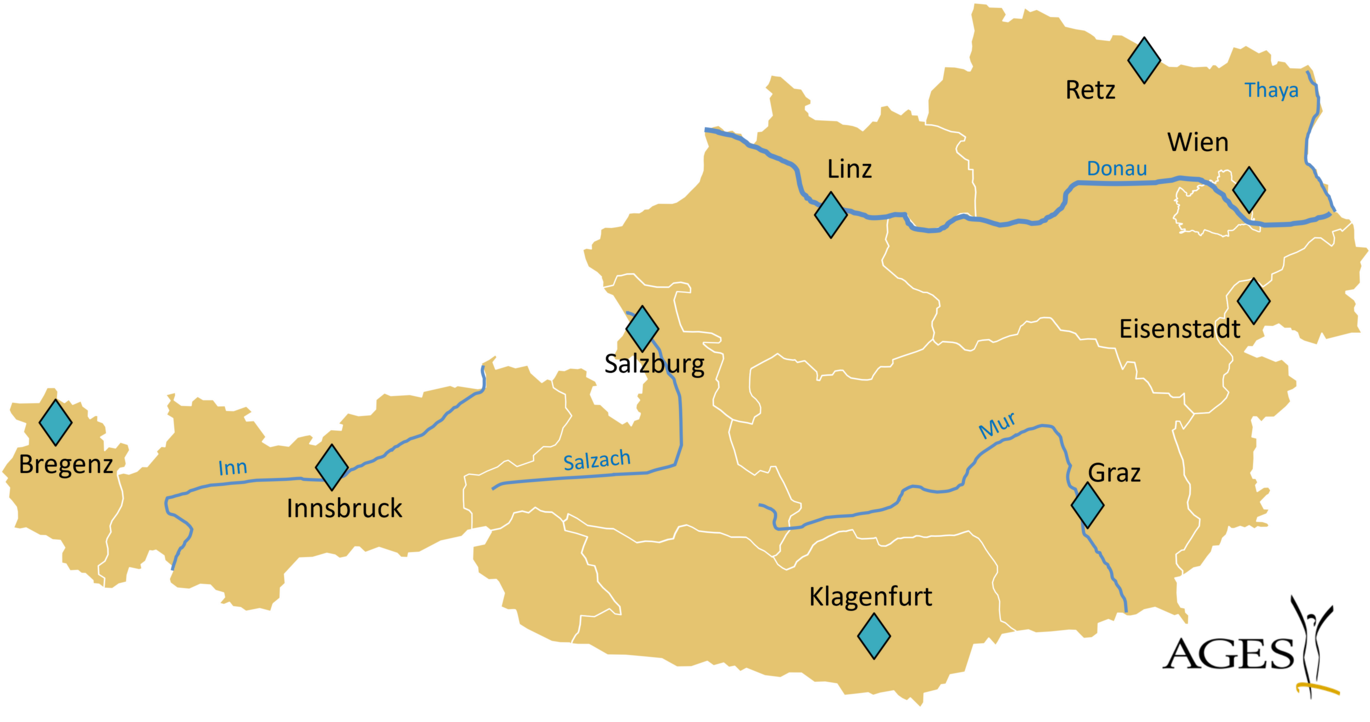
Air currents can transport radioactive particles over long distances. Precipitation, such as rain or snow, washes these particles out of the atmosphere and deposits them on the ground. Precipitation is therefore considered a meaningful indicator of the spread of radioactivity in the environment. The measurement of radioactivity in precipitation is therefore an important task that we carry out as part of environmental monitoring. Precipitation samples are collected at nine locations throughout Austria (see diagram).
The precipitation samples are collected at each location over a period of one month and then analysed by gamma spectrometry in our radioactivity measurement laboratories. The tritium content in all samples is also determined using liquid scintillation spectrometry.
Any unusual measured values are immediately reported to the responsible federal ministries.
In 2025, a total of 108 samples were collected and analysed for precipitation monitoring.
The radionuclides tritium, beryllium-7 and caesium-137 are typically detected in precipitation. The graph shows the trend in tritium activity concentration in precipitation.
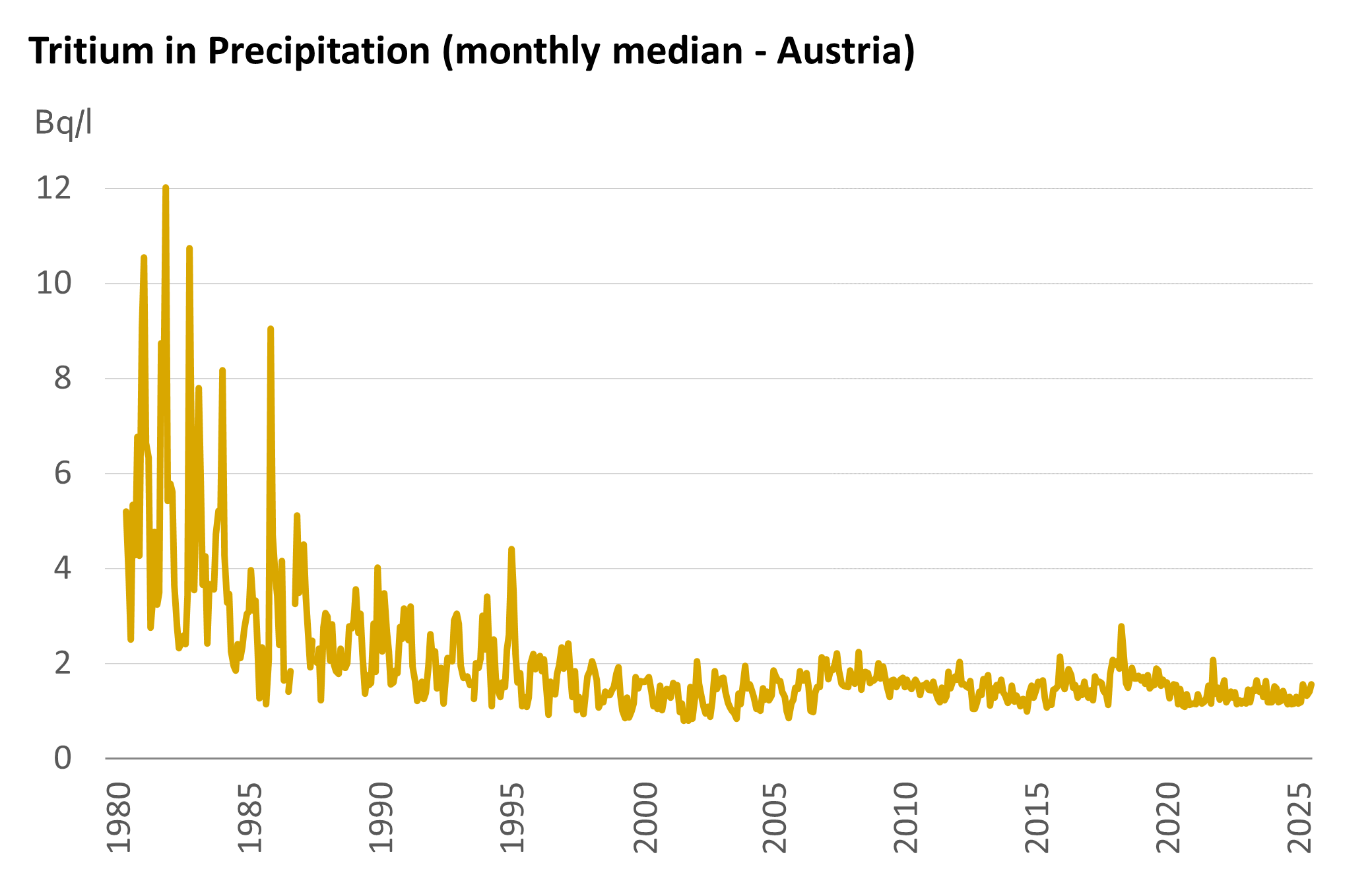
The tritium present in the environment today is partly of cosmogenic and partly of artificial origin. ‘Cosmogenic’ means that the tritium is produced in the Earth’s atmosphere by particle radiation from space. Atmospheric nuclear weapons tests in the 1950s and 1960s are the main source of the artificial tritium.
The caesium-137 regularly detected in precipitation originates largely from the Chernobyl reactor accident. In 2025, six measurements exceeded the detection limit. The highest measured value was 0.09 Bq/m² (Linz, July 2025), whilst the median was 0.04 Bq/m². The measured values were thus within the range observed in recent years.
No levels of concern to public health were detected.
Of the surface waters, it is primarily the larger transboundary bodies of water that are monitored in order to be able to record possible discharges. In order to ensure that no radionuclides are discharged into the water in Austria, samples are also taken from the outflow from Austria on the major rivers.
The samples are generally taken monthly as random samples. In addition, some rivers are sampled using automatic collection devices. These are used to take samples at regular intervals over the course of a month, which are then combined to form a total sample. This comes very close to continuous sampling.
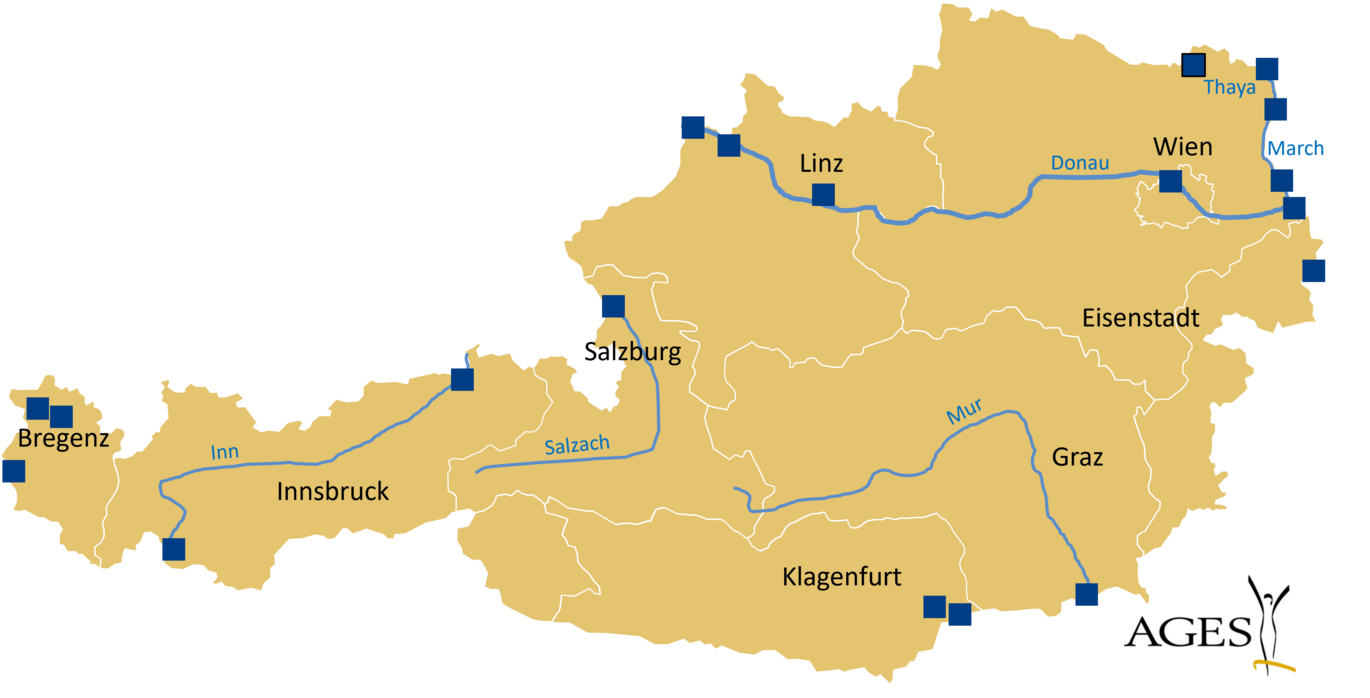
Surface water is sampled at 19 locations in all federal states across Austria (see chart). In 2025, a total of 261 surface water samples were collected and analysed.
The radionuclides tritium, beryllium-7, potassium-40 and caesium-137 are typically detected in surface water. The natural radionuclide beryllium-7 and the natural portion of tritium are continuously produced in the atmosphere (cosmogenic). Potassium-40 is a natural radionuclide with a very long half-life that already existed when the solar system was formed (primordial radionuclide).
The graph shows the course of the tritium activity concentration at two sampling points on the Thaya. An annual average value was calculated from the monthly measured values.
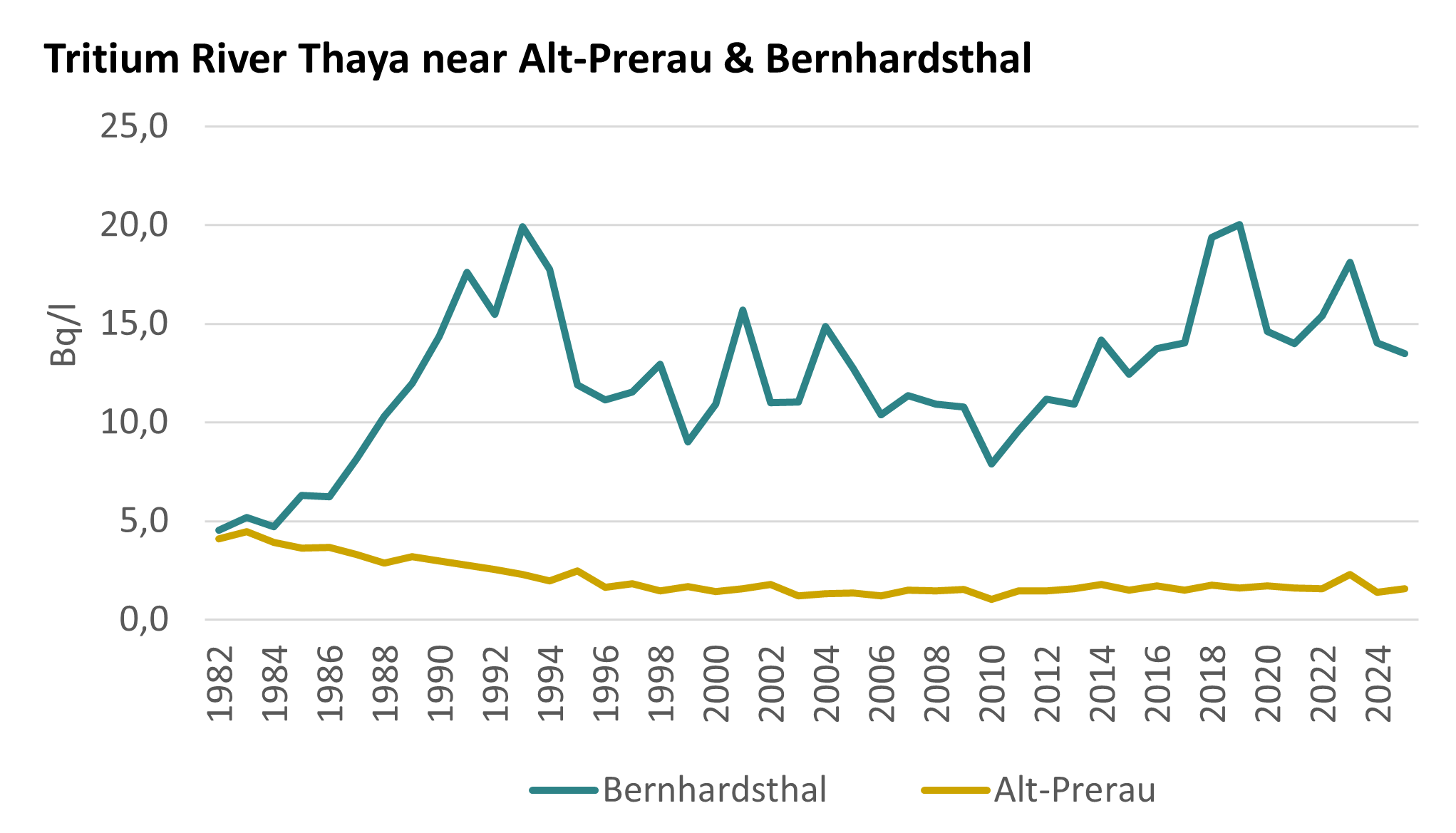
Elevated tritium activity concentrations have been detected at the sampling site on the Thaya in Bernhardsthal since around mid-1985. No elevated tritium values have been recorded at the upstream sampling point in Alt-Prerau. After Alt-Prerau, the Thaya leaves Austria and flows through Czech territory as far as Bernhardsthal. There it is fed by the Jihlava River, on the upper reaches of which the Dukovany nuclear power plant is located. The origin of the tritium is therefore assumed to be in the Czech Republic.
Increased tritium activity concentrations have also been found in the Morava River, into which the Dyje flows, since 1985. Due to the increasing dilution with water from tributaries, the tritium levels decrease downstream.
The activity concentrations of the radionuclides regularly found in surface waters in 2024 corresponded to the long-term average.
No values relevant to health were detected.
The Chernobyl reactor accident in 1986 led to the widespread dispersal of various radionuclides in Europe by air currents. In some places, the radionuclides in the air were washed out onto the ground by precipitation. The respective precipitation situation during the passage of the radioactively contaminated air masses was therefore primarily decisive for the extent of regional soil contamination. Of the radionuclides deposited at that time, only caesium-137 is still of some significance today.
Austrian caesium map
In 1994 and 1995, the then Federal Ministry of Health and Consumer Protection, together with the Federal Environment Agency, collected all available data on the deposition of caesium-137 in Austria. The data was summarised in the form of a "caesium map" of Austria (see umweltbundesamt.at/caesium/).
Due to the meteorological conditions at the time, Austria was one of the countries most severely affected by the Chernobyl accident. The average surface deposition of caesium-137 was determined to be 21 kBq/m². The peak values were just over 150 kBq/m². Since then, these values have been decreasing continuously in line with the radioactive decay of caesium-137. During the reporting period, they were around half of the original values.
Many of Austria's neighbouring countries operate nuclear power plants. Regular measurements are carried out to detect any emissions from neighbouring plants.
As early as 1992, the investigation programme "Evidence Preservation Temelín Nuclear Power Plant" was launched in cooperation with the province of Upper Austria in order to reliably detect any radioactive emissions caused by the operation of the Temelin NPP in Upper Austria. The original sampling points were mainly located in the border area with the Czech Republic, but were expanded in 2016 to include additional sampling points in other federal states (see figure).
The environmental media precipitation, soil, vegetation and spruce needles as well as cereals are sampled at regular intervals as part of the investigation programme and analysed in our measurement laboratory. Gamma spectrometry is used to determine the caesium-137 activity concentrations in the environmental samples. Furthermore, tritium and total alpha+beta concentrations (strontium-90) are determined using liquid scintillation spectrometry (LSC).
In addition, on-site measurements are carried out annually using mobile gamma spectrometers at all vegetation and soil sampling points (in-situ measurements). Depth profiles are also taken at regular intervals in order to observe the long-term behaviour of various radionuclides in the soil - in particular caesium-137 from the Chernobyl reactor accident.
The project has already created a good radioecological database for documenting the current status in order to be able to react quickly to any changes in the radionuclide concentrations of selected environmental media. At the same time, the project represents good preparation for a radiological emergency, as sampling and measurements are practised regularly.
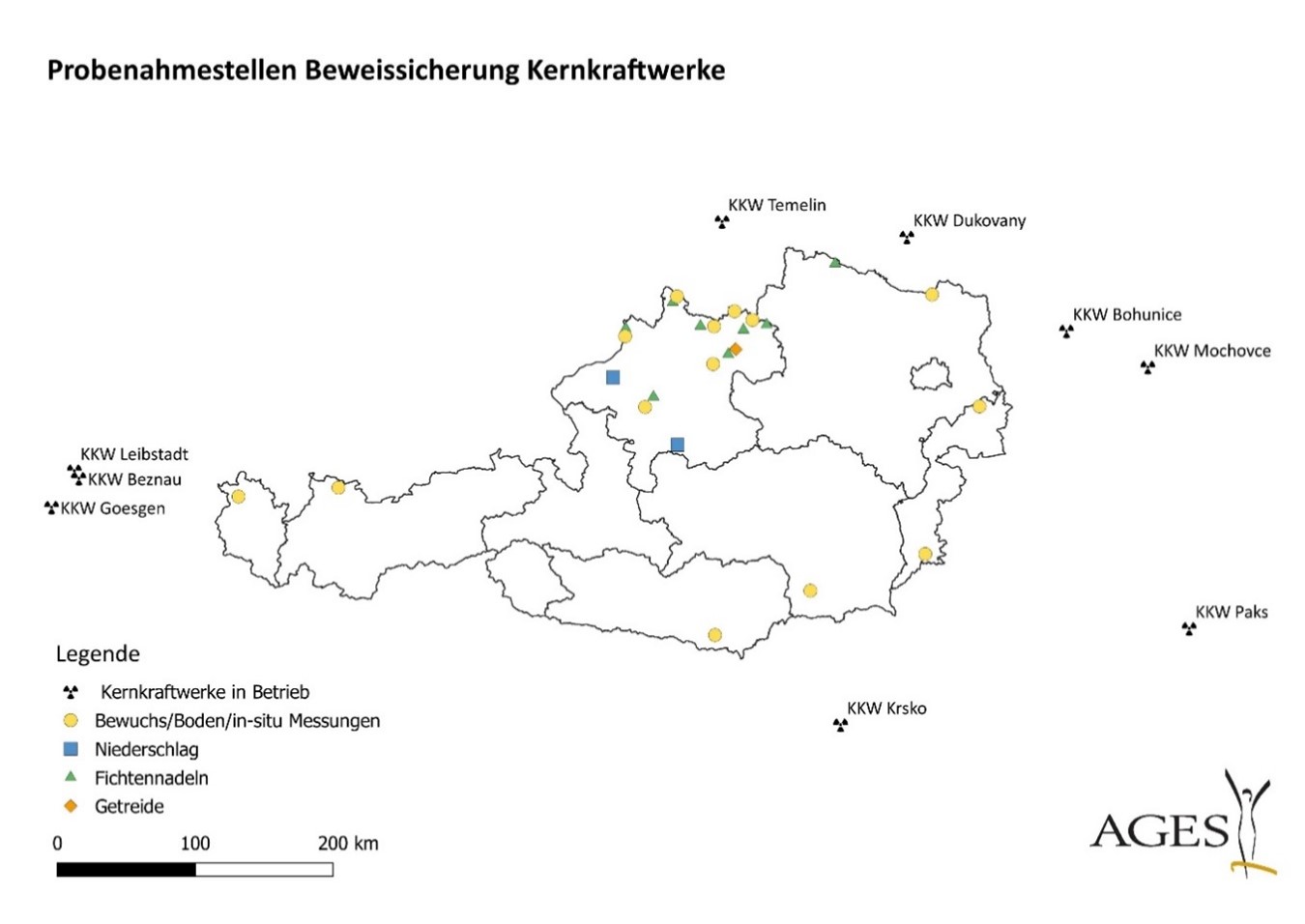
In 2025, no new discharges from the operation of nuclear power plants were detected. In addition to natural radionuclides, the main radionuclide of human origin detected was caesium-137 from the Chernobyl reactor accident.
The activities detected in the samples in 2025 are not relevant to health.
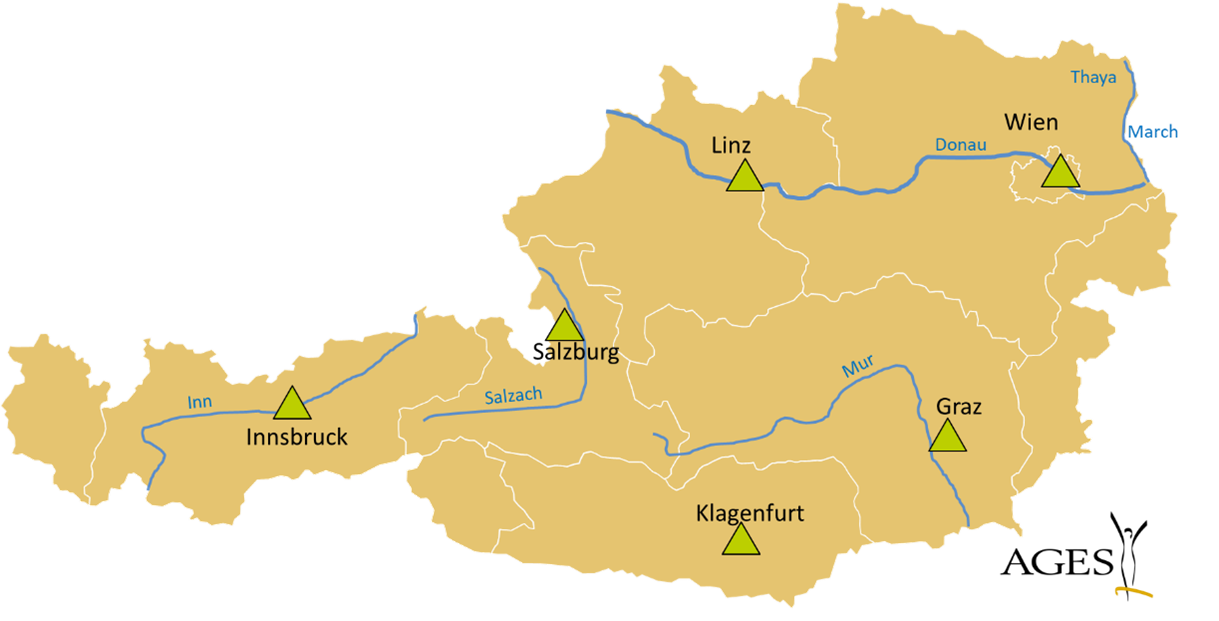
The wastewater and sewage sludge from the wastewater treatment plants in Gössendorf (Graz), Feuerbach (Klagenfurt), Asten (Linz) and Simmering (Vienna) are regularly analysed for radioactive substances. In September 2024, the monitoring programme was expanded to include the Siggerwiesen (Salzburg) and Roßau (Innsbruck) wastewater treatment plants. This means that the radionuclides used by the nuclear medicine institutes in the catchment areas of the Inn and Salzach rivers can now also be recorded.
The samples from the wastewater treatment plants are taken monthly as random samples. In addition, samples are taken from the inlet and outlet of the Asten wastewater treatment plant (Linz) using automatic collection devices. This comes very close to continuous sampling.
In 2025, a total of 178 samples were collected and analysed to monitor wastewater treatment plants in Austria.
In addition to natural radionuclides and radionuclides from the Chernobyl accident, radionuclides used in nuclear medicine for diagnostic and therapeutic purposes are also detected in wastewater and sewage sludge samples. These radionuclides mainly enter wastewater treatment plants via patient excretions. Gallium-67, iodine-123, iodine-131, indium-111, lutetium-177, technetium-99m, samarium-153, thallium-201 and thallium-202 are regularly detected.
Lutetium-177 is used, for example, in a therapy procedure for prostate cancer. Other radionuclides are used in scintigraphy. Scintigraphy is an imaging technique in which radionuclides accumulate in certain types of tissue and can thus be visualised in images. For example, a bone tumour can be found in this way.
The radionuclides used in medicine generally have a very short half-life and therefore decay very quickly into non-radioactive elements. As a result, these radionuclides do not accumulate in the environment.
The following graph shows the annual median of measured values above the detection limit in sewage sludge and digested sludge for the radionuclides used in nuclear medicine with the highest activity concentrations (technetium-99m, lutetium-177 and iodine-131). Sewage sludge is a waste product from wastewater treatment in sewage treatment plants. Digested sludge refers to sewage sludge that has been stabilised through digestion.
The measured values refer to the dry weight of the samples. The annual median of the measured values for technetium-99m and iodine-131 has remained within approximately the same range over the years. For lutetium-177, a slight increase can be observed from 2022 onwards, which indicates increased use in cancer therapy.
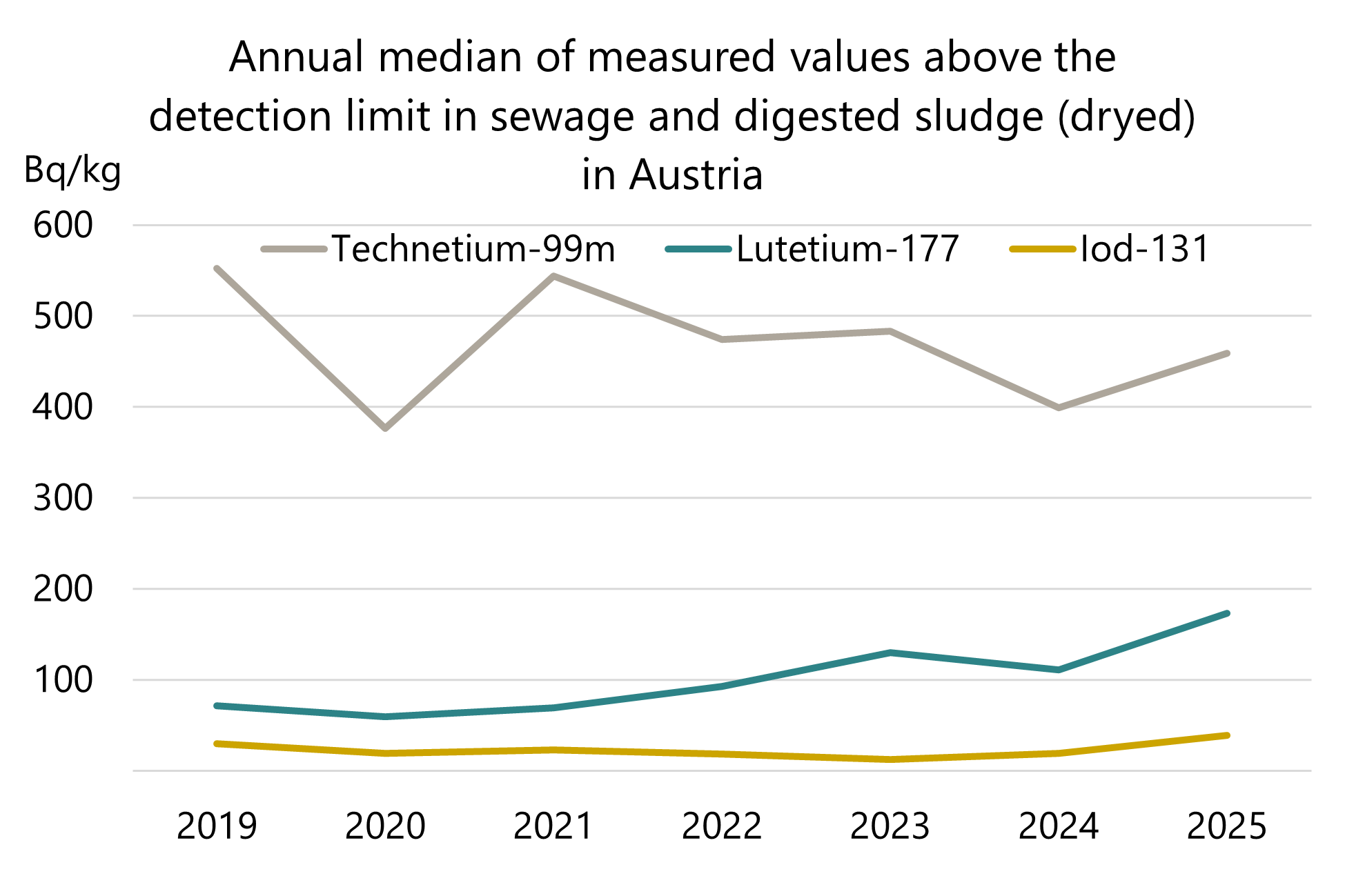
The annual average activity concentrations of the other radionuclides used in nuclear medicine are usually in the order of 10 Bq/kg. Samarium-153 was not detected in any sample in 2025. Terbium-161 was detected for the first time in 2025; this radionuclide is used for research purposes in tumour treatment.
The radionuclides not used in nuclear medicine – beryllium-7, potassium-40 and caesium-137 – are also regularly detected in the samples. Their average annual activity concentrations are typically around 220 Bq/kg for beryllium-7, 130 Bq/kg for potassium-40 and 20 Bq/kg for caesium-137.
The activity concentrations in the effluent from the treatment plants reach annual average values that are one hundred to one thousand times lower than those in the treated and digested sludge.
In addition to routine monitoring, measurements were taken in 2025 at 16 further sewage treatment plants of both the effluent and the raw sludge prior to digestion. The measured values showed no significant deviations from the results of routine monitoring.
As in previous years, no health-related contaminants were detected in the samples in 2025.
The Danube Monitoring Project has been monitoring radioactivity in the Danube along the Austrian section of the river for many years. Samples are taken continuously at the sites of the Aschach, Wallsee, Greifenstein and Freudenau hydroelectric power stations by Verbund Hydro Power GmbH. The samples are then sent to ‘via donau’ – Austrian Waterways Company Ltd – for analysis of various parameters. The filtered and dried water residues are subsequently sent to our measurement laboratory for radioactivity testing.
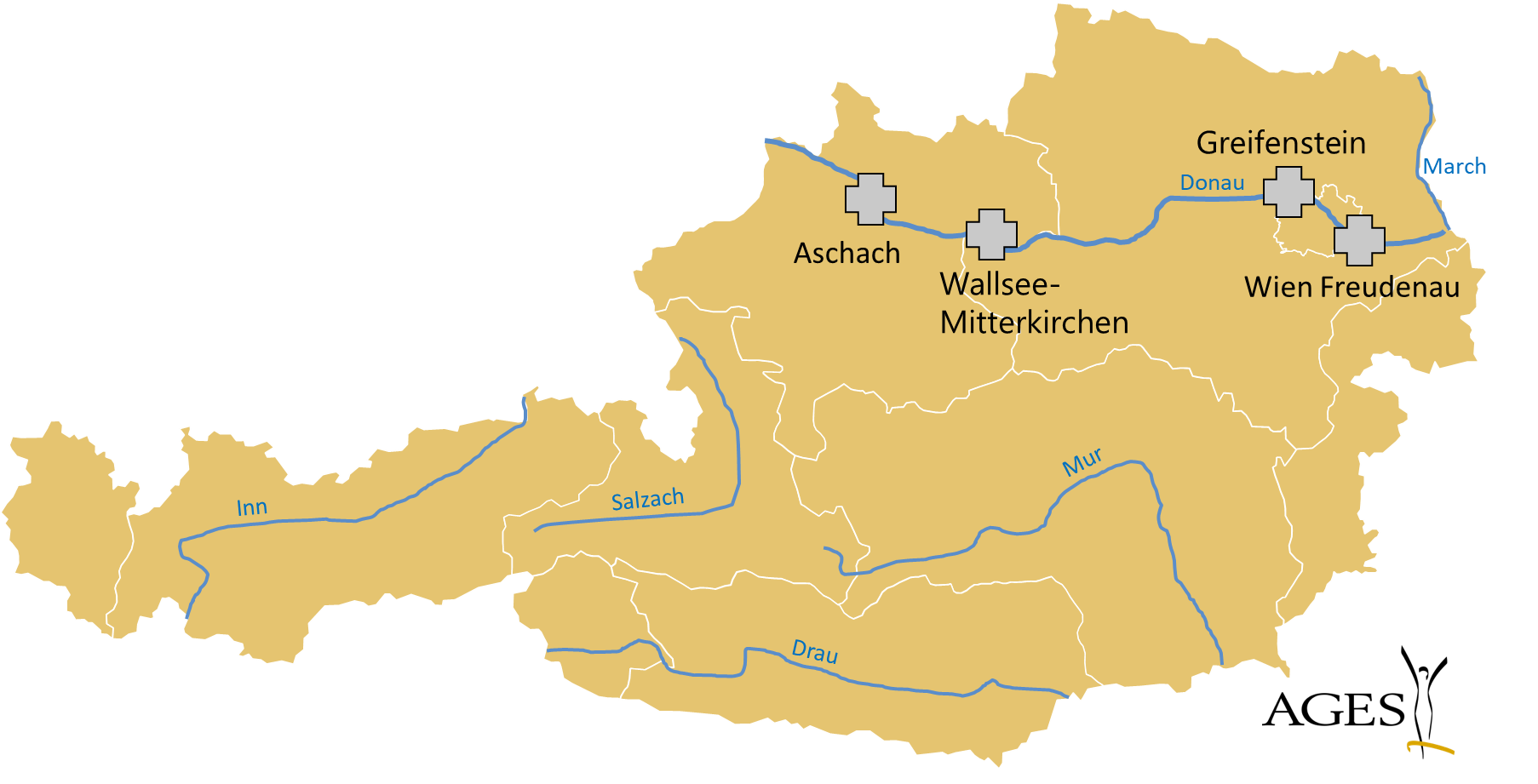
In 2025, a total of 44 Danube monitoring samples were collected and analysed for radioactivity using gamma spectrometry. The samples from December 2025 have not been sent to AGES.
In 2025, caesium-137 was detected in 18 samples. The highest measured value was 3.2 mBq/l (Greifenstein, July 2025), whilst the median was 0.7 mBq/l.
The graph shows the trend in caesium-137 activity concentration at the Wallsee sampling point over recent years.
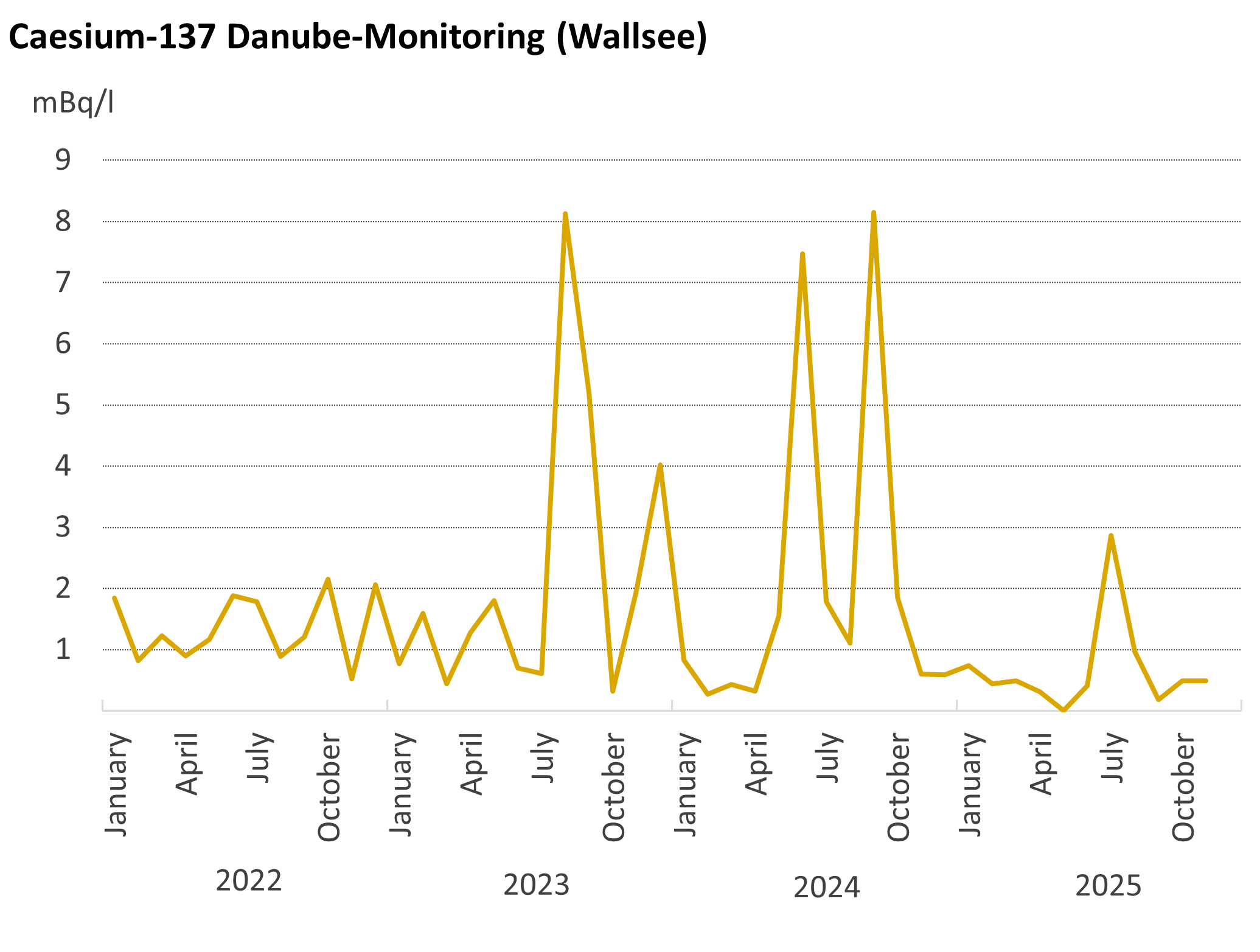
Higher caesium-137 activity concentrations are usually observed when the Danube’s flow rates are higher. When the water flow is higher, the Danube carries more sediment per litre, to which the caesium-137 adheres. In August and September 2023, as well as in June and September 2024, and in July 2025, there was above-average rainfall and consequently a higher water flow in the Danube. Higher caesium-137 activity concentrations were therefore measured during this period.
In addition to the gamma spectrometric analyses, annual composite samples (Wallsee and Aschach) and two-month composite samples (Greifenstein and Freudenau) are analysed for strontium-90 and plutonium (plutonium-238, plutonium-239 and plutonium-240). Following radiochemical preparation, measurements are carried out using LSC (Liquid Scintillation Counter) and alpha spectrometry.
In 2025, no strontium-90, plutonium-239 or plutonium-240 was detected in the samples.
The activity concentrations of the detected radionuclides were in line with previous years and are not relevant from a health perspective.
Contact us
Mag. Dr. Claudia Landstetter
- strahlenschutz.wien@ages.at
- +43 664 8398143
-
Spargelfeldstraße 191
1220 Wien
Last updated: 16.06.2026
automatically translated