What are over-the-counter medicines?
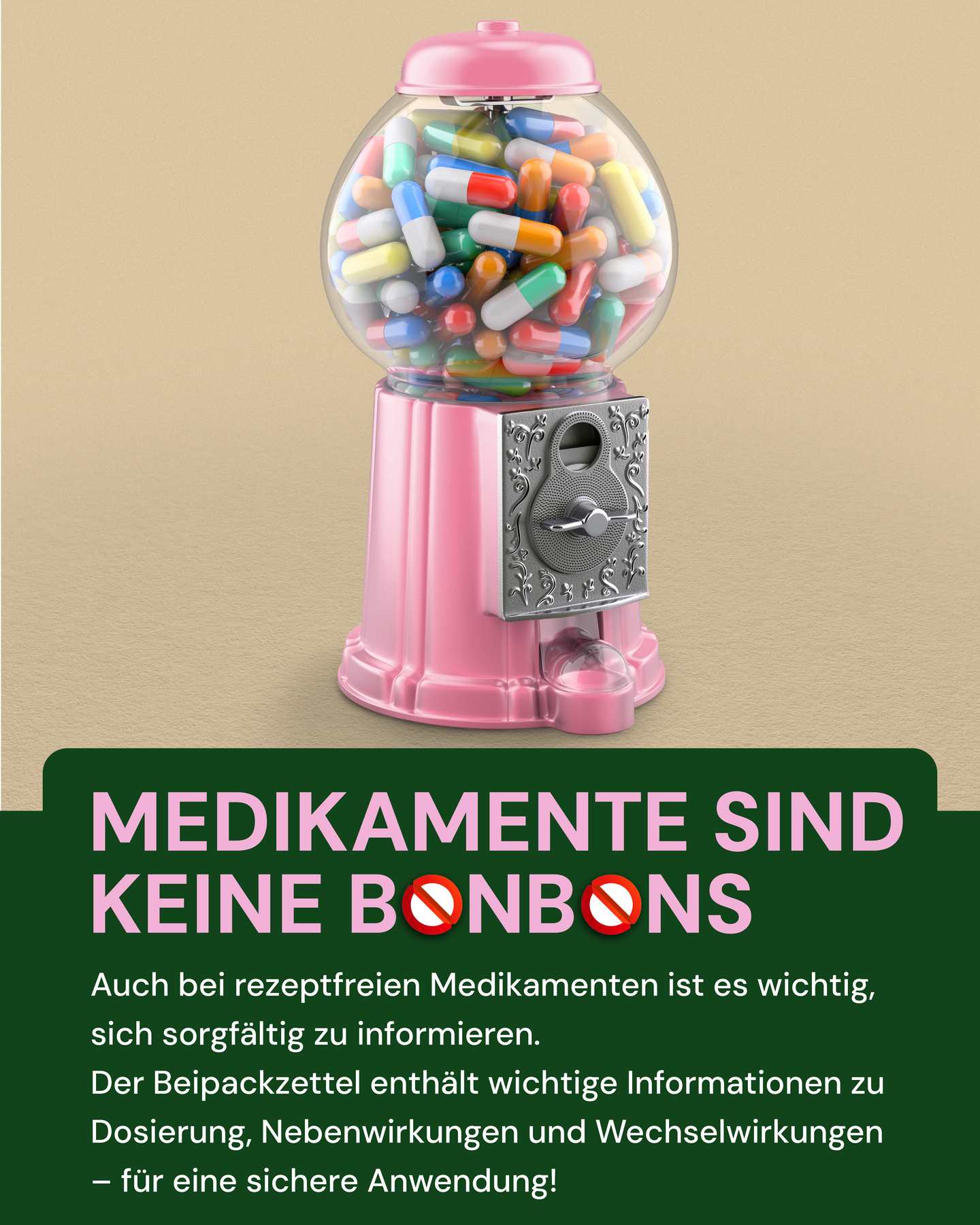
Over-the-counter medicines are available without a doctor’s prescription (i.e. without a prescription) in pharmacies and, in some cases, in chemists and supermarkets. They are intended for a wide variety of, mostly minor, ailments, such as pain, fever or colds, which patients can take on their own responsibility and without a doctor’s prescription or diagnosis. However, no medicine is entirely risk-free, and self-medication with over-the-counter medicines requires a particularly high degree of care.
Professional advice at a GP’s surgery or pharmacy
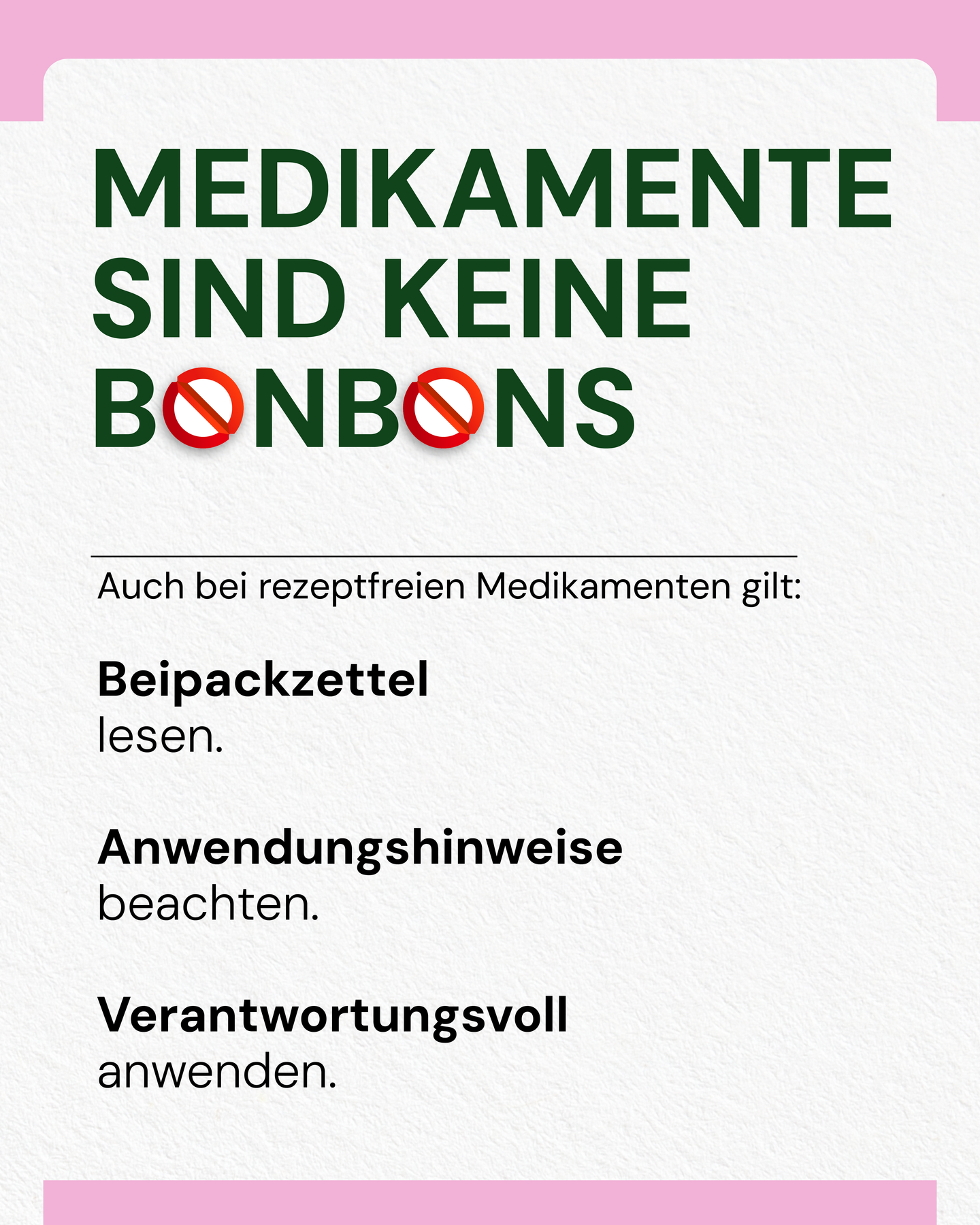
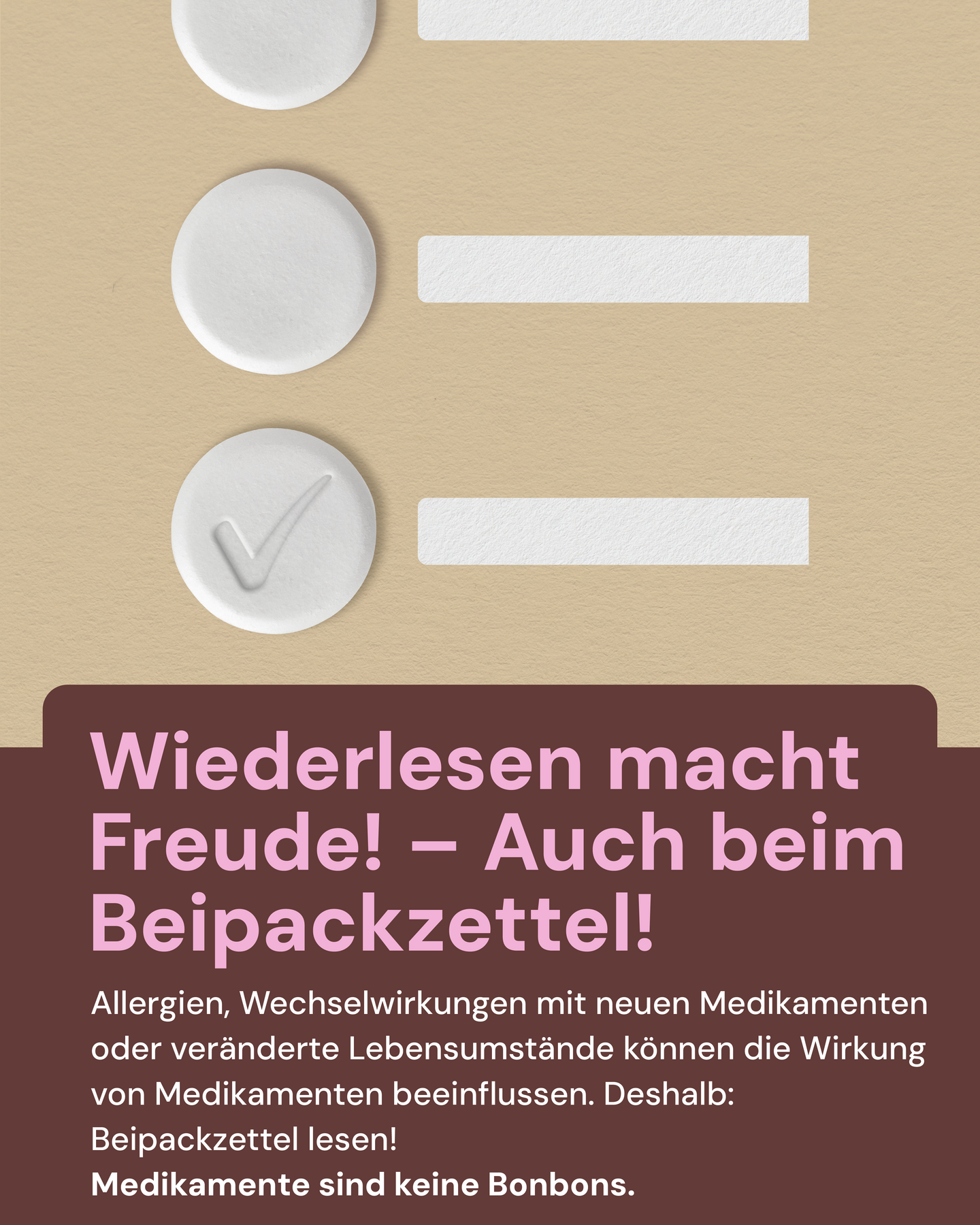
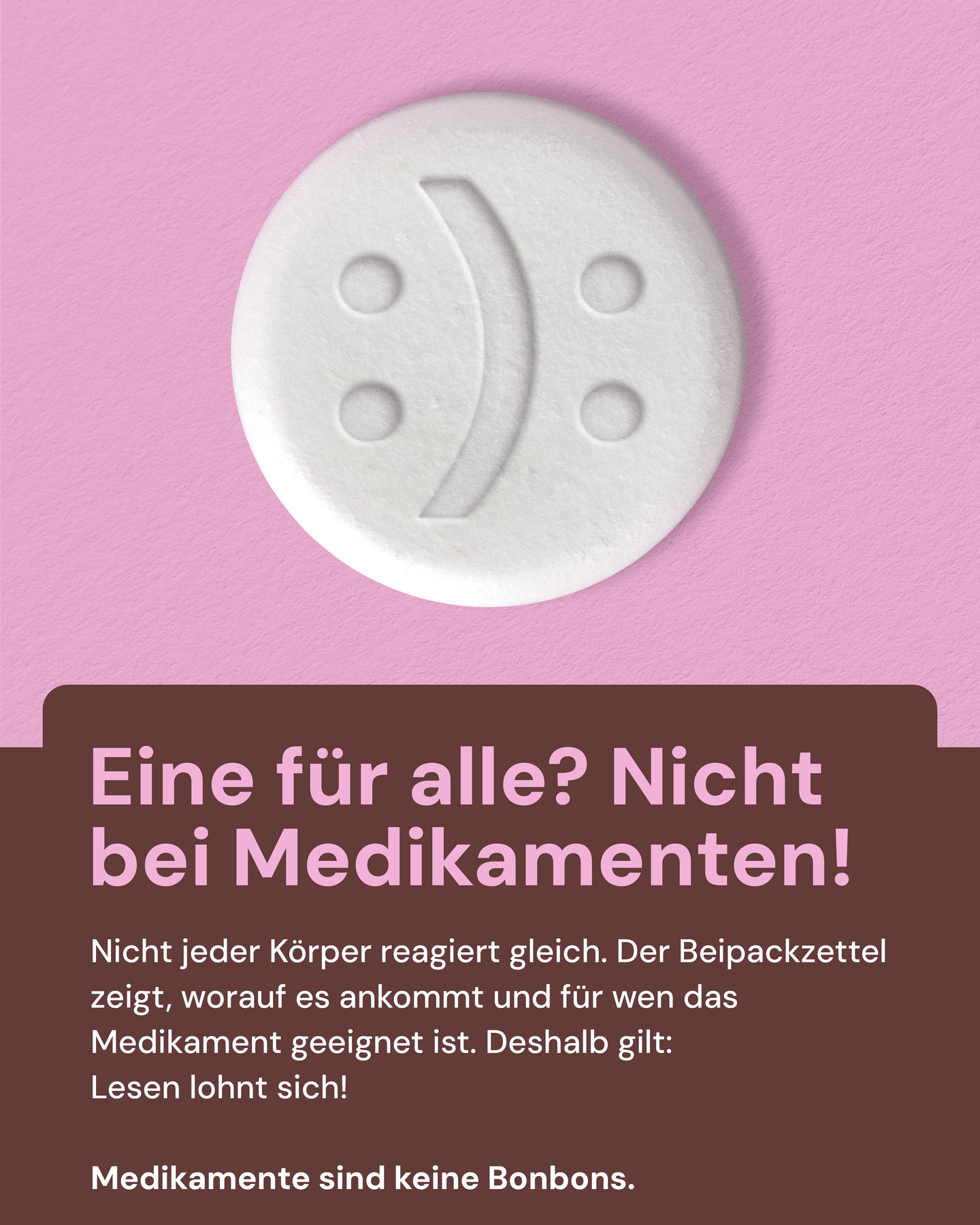
Incorrect or careless use, or inaccurate dosing, can lead to a wide range of side effects, interact with other medicines or foods, or even lead to dependency. Therefore, as with any other medicine, it is important to read the package leaflet (technically known as the ‘patient information leaflet’) carefully and to follow the instructions described in detail there precisely. If you have any questions, seek professional advice at a doctor’s surgery or pharmacy.
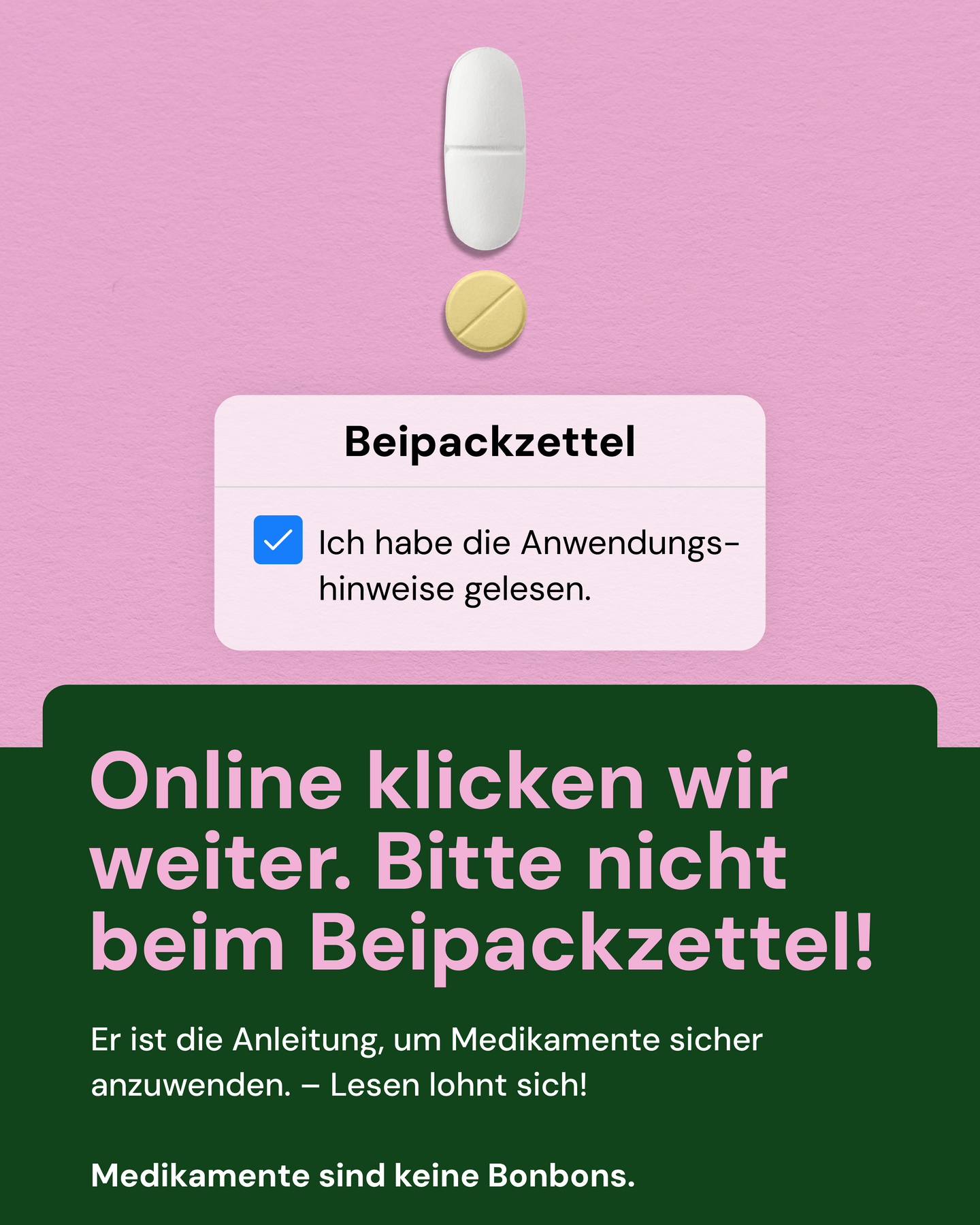
All information in the electronic “package leaflet”
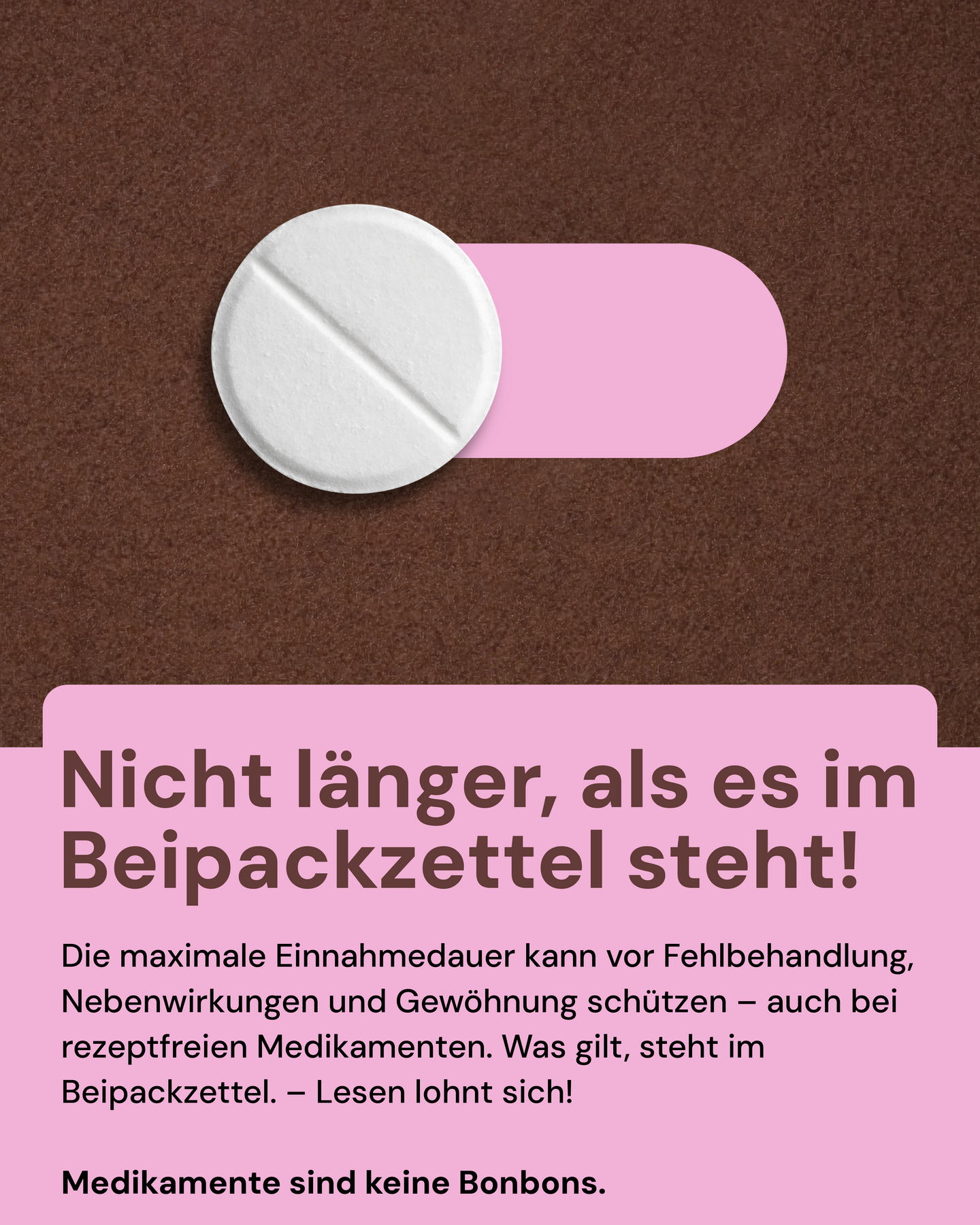
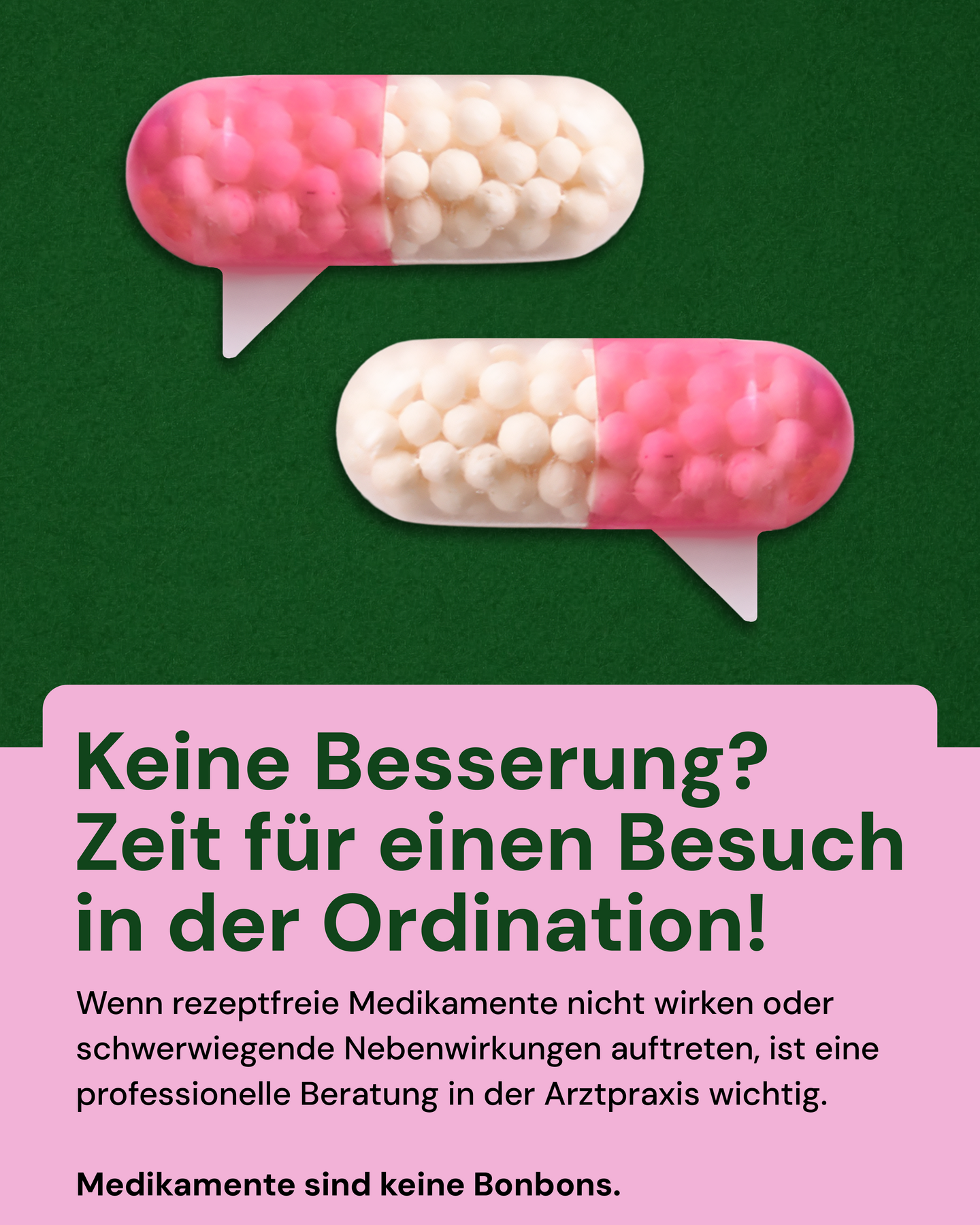
The most important steps for the safe use of these medicines are: reading the patient information leaflet carefully, observing the correct dosage, adhering to the recommended maximum duration of use and, if there is no improvement, always consulting a doctor promptly. In the “Medikamente Info Austria” register of medicinal products maintained by the Federal Office for Safety in Healthcare (BASG), you will find all the patient information leaflets for medicines authorised in Austria.